BKS and ILO Convene Stakeholder Consultation to Strengthen Action Towards a Child Labour-Free Jharkhand
Ranchi, Jharkhand | 12 August 2026
https://www.ilo.org/resource/news/eastern-indian-state-advances-action-eliminate-child-labour-and-empower
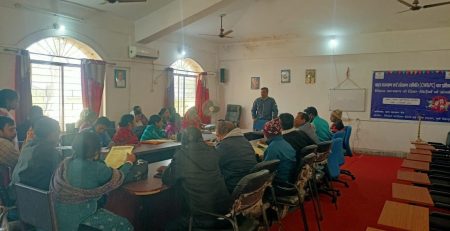
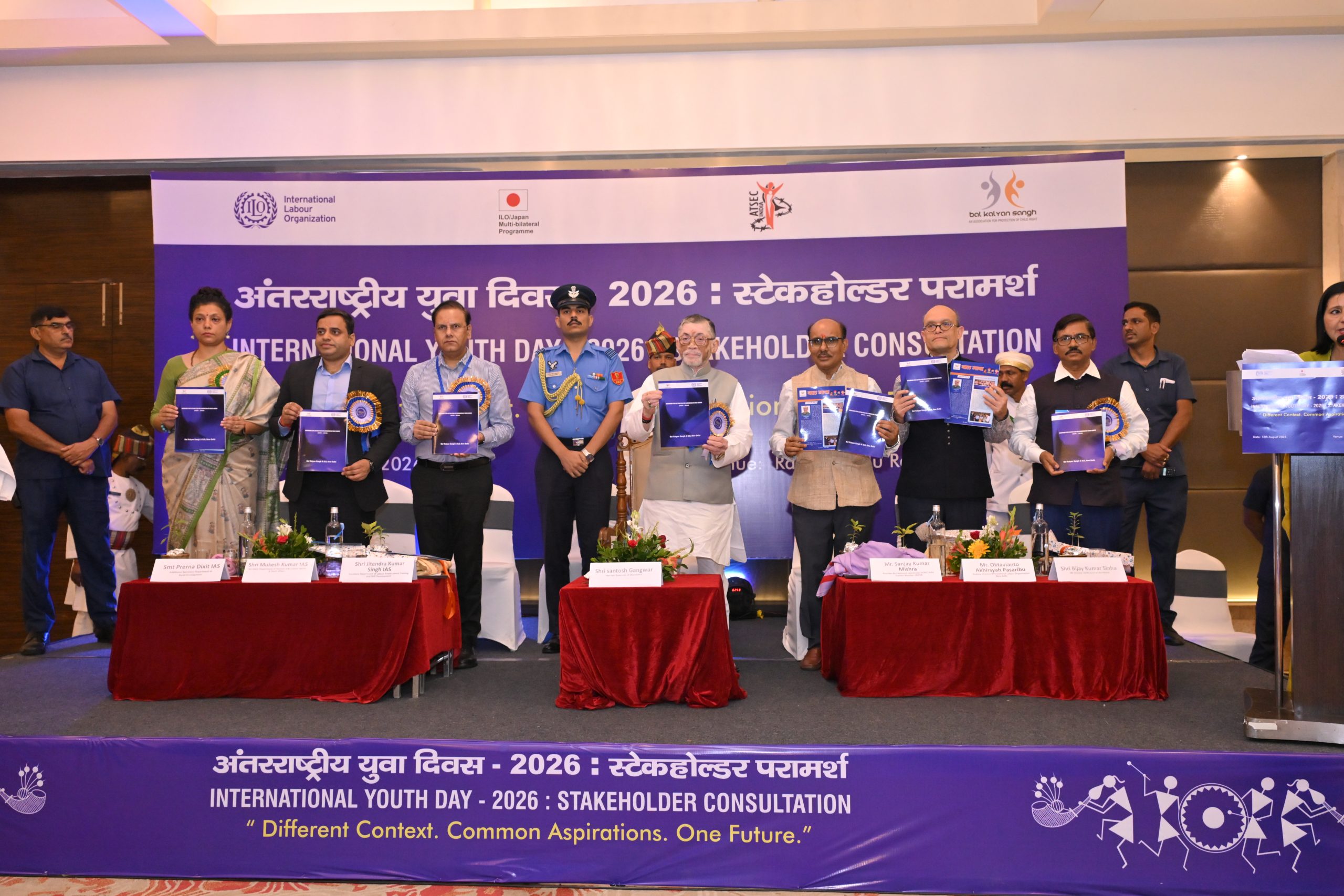
Bal Kalyan Sangh (BKS), in collaboration with the International Labour Organization (ILO), organized a State-Level Stakeholder Consultation on Child Labour, Child Protection and Youth Empowerment in Ranchi on 12 August 2026, marking International Youth Day.
The consultation brought together around 200 stakeholders, including representatives from Government departments, civil society organizations, development partners, communities, media, youth groups and children’s collectives, to deliberate on strengthening coordinated action towards the elimination of child labour in Jharkhand.
The consultation was organized under the ILO’s Policies, Partnerships, Learning & Local Empowerment (PPLL) Project on Child Labour, with BKS as its partner agency. A key milestone of the consultation was the presentation of the Draft State Action Plan for the Elimination of Child Labour in Jharkhand, providing stakeholders an opportunity to review the proposed framework and share recommendations for its further strengthening and finalization.
Strengthening a Collective Response to Child Labour
Jharkhand continues to face interconnected challenges affecting children and adolescents, including child labour, trafficking, child marriage, unsafe migration, school dropout, violence and substance abuse. These vulnerabilities are often linked to poverty, limited access to quality education, migration and inadequate livelihood opportunities for families.
From BKS’s perspective, addressing child labour requires more than rescue and rehabilitation. It requires a comprehensive child protection approach that focuses on prevention, early identification, education, family strengthening, social protection, rehabilitation and community participation.
The consultation highlighted the importance of identifying children who are out of school, engaged in labour or vulnerable to trafficking and unsafe migration, particularly in remote and migration-prone communities. Stakeholders emphasized the need to strengthen linkages with education, government schemes, counselling, family support and community-based child protection mechanisms.
Education as a Key Protection Strategy
Education emerged as one of the strongest protective measures against child labour, trafficking and other forms of exploitation.
Speaking during the consultation, Shri Jitendra Kumar Singh, Secretary, Department of Labour, Government of Jharkhand, emphasized the role of education, awareness and protection in helping vulnerable children build a better future.
BKS believes that every child must have the opportunity to remain in school, learn, participate and grow in a safe environment. Children who have been rescued from labour or are at risk of dropping out require continued educational support, counselling, family strengthening and effective reintegration into the education system.
From Rescue to Rehabilitation and Reintegration
The consultation reinforced the need to move beyond a rescue-oriented approach towards a comprehensive protection and rehabilitation pathway.
This includes:
- Early identification of children at risk;
- Community vigilance and reporting;
- Rescue and protection where required;
- Counselling and psychosocial support;
- Family strengthening and social protection;
- Re-enrolment and retention in education;
- Skills and sports-based development for adolescents;
- Safe migration awareness;
- Rehabilitation and social reintegration; and
- Strong coordination among government departments, schools, police, Panchayats, communities and civil society organizations.
For BKS, strengthening families and communities is central to ensuring that children do not return to situations of labour, exploitation or unsafe migration after intervention.
Youth and Children as Partners in Change
As the consultation coincided with International Youth Day, youth participation was an important component of the programme.
Young people, Youth Champions and representatives of Bal Manch (Children’s Collectives) shared their experiences and perspectives on child protection and youth development. Discussions explored how young people can use peer networks, community campaigns and digital platforms to promote child rights, education, safe migration and gender equality.
BKS recognizes children and young people not only as beneficiaries but also as active participants and partners in building safer communities. Empowered children and adolescents can play an important role in identifying risks, raising awareness and encouraging their peers to remain connected with education and protection systems.
Building Safer Communities Through Collective Action
The consultation emphasized that eliminating child labour requires sustained collaboration between government, civil society, communities, families, schools, youth and children themselves.
Participants called for stronger community-level mechanisms, including the mobilization of Village-Level Child Protection Committees, greater awareness among families, improved coordination between departments and increased opportunities for youth-led action.
BKS remains committed to working with government and development partners to strengthen community-based child protection systems and promote education, safe childhoods and meaningful opportunities for young people.
Towards a Child Labour-Free Jharkhand by 2030
The consultation marked an important step towards building a shared vision for a Child Labour-Free Jharkhand by 2030.
The feedback and recommendations received from stakeholders will contribute to the further finalization of the State Action Plan and strengthen coordinated efforts to prevent and eliminate child labour across the state.
BKS, through its longstanding work on child labour, child trafficking, child marriage, education, family strengthening and youth empowerment, will continue to support collaborative efforts to ensure that every child is protected, every child has access to education, and every young person has the opportunity to build a safe, dignified and empowered future.
“Every child deserves the opportunity to enjoy childhood, learn, participate and grow in a safe and supportive environment. Ending child labour requires collective action that addresses not only the immediate protection needs of children, but also the vulnerabilities of families and communities.”
— Bal Kalyan Sangh (BKS)