
International Youth Day 2026: Collective Action to End Child Labour and Child Trafficking
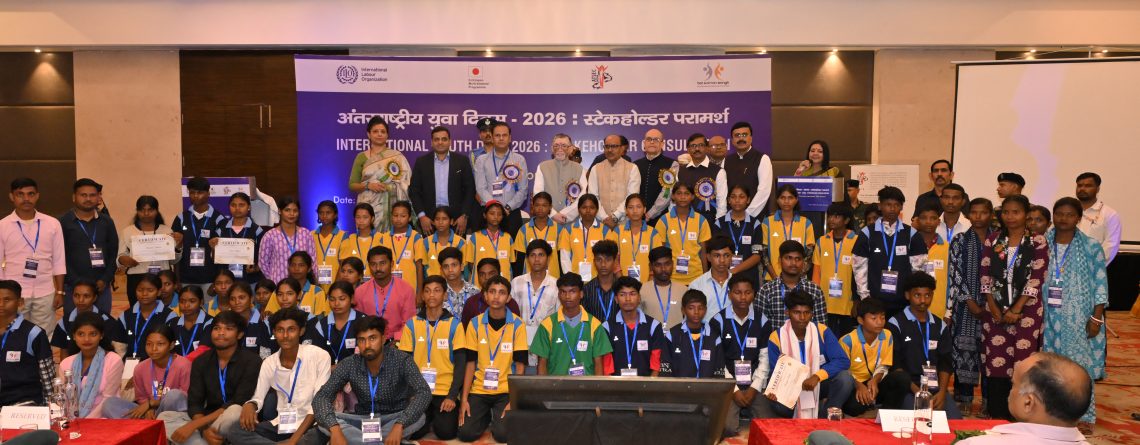
Ranchi, 12 August 2026 — On the occasion of International Youth Day 2026, Bal Kalyan Sangh (BKS), in collaboration with the International Labour Organization (ILO), organised a stakeholder consultation in Ranchi on “Freedom from Child Labour and Child Trafficking.” The consultation brought together government representatives, civil society organisations, child protection stakeholders, District Child Protection Officers, Child Welfare Committees and around 200 young people to deliberate on strengthening collective efforts for the protection and development of children.
The consultation highlighted the important role of young people, government institutions, communities and civil society in creating an environment where every child can access education, protection and opportunities to build a better future.
Governor Calls for Collective Action for Every Child
The programme was graced by Hon’ble Governor of Jharkhand, Shri Santosh Kumar Gangwar, as the Chief Guest.
Addressing the gathering, the Governor emphasised the importance of continued vigilance and collective responsibility towards child protection, particularly in remote and vulnerable communities. He stressed that every child should have access to education and that children who are out of school must be identified and supported to return to education.
He highlighted that addressing child labour and trafficking requires coordinated efforts to ensure that children grow up in safe, supportive and enabling environments. He further emphasised that the vision of Viksit Bharat@2047 can be strengthened when every child is safe, educated, healthy and given the opportunity to realise their potential.
Strengthening Action Against Child Labour
Shri Jitendra Kumar Singh, Secretary, Department of Labour, Employment, Training and Skill Development, shared key updates on the state's efforts to address child labour.
During FY 2025–26, the department conducted 20,700 inspections, resulting in the rescue of 87 children from child labour, registration of 59 FIRs, and enrolment of 24 children in schools.
During FY 2026–27, up to August, 812 inspections have already been conducted, leading to the rescue of 52 children.
He called for heightened vigilance and stronger coordination in districts identified as particularly vulnerable, including Khunti, Simdega, Gumla, Lohardaga, East Singhbhum and West Singhbhum.
Emphasising the importance of implementation, he noted:
“Law alone cannot save a child. It is the people who implement the law who save children.”
He underlined the need for close coordination among the Labour Department, district administration, police, Child Welfare Committees, Panchayati Raj institutions, social workers and communities to ensure timely identification, rescue and rehabilitation of children.
Beyond Rescue: Ensuring a Dignified Future
Shri Mukesh Kumar, Secretary, Department of Tourism, Arts & Culture, Sports and Youth Affairs, emphasised that the rescue of a child from child labour should be the beginning of a comprehensive rehabilitation journey.
He called for stronger post-rescue support covering education, healthcare, family reunification, social security and skill development. He also highlighted the potential of India's young population and the importance of creating meaningful opportunities for young people to contribute to social development.
The focus, he emphasised, should not only be on rescuing children from child labour, but also on connecting them with education, protection, family support, skills and a dignified future.
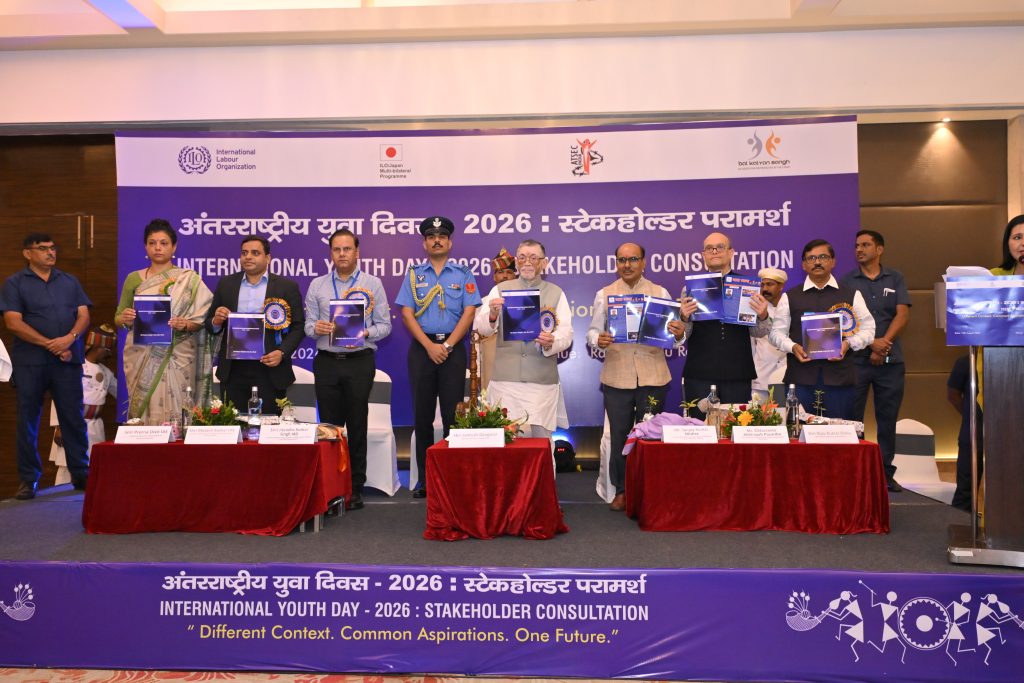
Launch of the State Action Plan on Child Labour
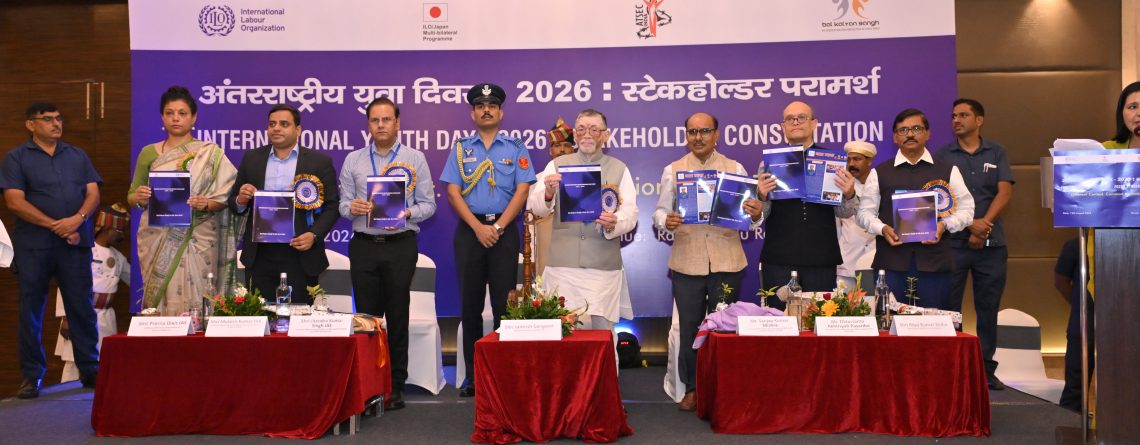
A major milestone of the consultation was the launch of the State Action Plan on Child Labour, jointly supported by Bal Kalyan Sangh and the International Labour Organization (ILO).
The five-year strategy provides a framework for strengthening coordinated action towards the elimination of child labour. It focuses on key areas including:
- Prevention and awareness
- Identification and rescue of children
- Rehabilitation and reintegration
- Re-enrolment in education
- Family strengthening and social security linkages
- Community participation
- Youth-led awareness and action
- Stronger coordination among stakeholders
The Action Plan seeks to bring together government departments, civil society organisations, communities and young people around a common vision for a child-labour-free Jharkhand.
Youth as Partners for Change
The consultation also placed young people at the centre of conversations on child protection and social development.
Mr. Oktavianto Akhirsyah Pasaribu, Deputy Director, International Labour Organization, New Delhi, highlighted the importance of engaging young people as active partners in addressing issues such as child labour and child marriage. He emphasised that meaningful youth participation can strengthen community awareness, social mobilisation and child protection mechanisms.
The participation of around 200 young people reflected the growing role of youth in shaping solutions to social challenges and contributing to safer and more inclusive communities.
A Shared Commitment for Jharkhand
Shri Sanjay Kumar Mishra, Founder, Bal Kalyan Sangh, presented the organisation's five-year strategy towards the elimination of child labour and strengthening child protection efforts across Jharkhand.
The consultation reinforced a shared understanding that ending child labour and child trafficking cannot be achieved by any single institution. It requires sustained collaboration between government departments, civil society organisations, communities, families and young people.
International Youth Day 2026 therefore served not only as an occasion to celebrate the potential of young people, but also as a platform to strengthen their role in building communities where every child can learn, grow, dream and thrive.
Moving Forward
The stakeholder consultation marked an important step towards strengthening collective action for the protection and development of children in Jharkhand. The launch of the State Action Plan on Child Labour provides a shared roadmap for the coming five years, while the active participation of young people brings renewed energy and commitment to the movement.
Together, through prevention, protection, rehabilitation, education and meaningful youth participation, Jharkhand can move closer to a future where every child is free from child labour and trafficking and has the opportunity to realise their dreams.
BKS and ILO Convene Stakeholder Consultation to Strengthen Action Towards a Child Labour-Free Jharkhand
Ranchi, Jharkhand | 12 August 2026
https://www.ilo.org/resource/news/eastern-indian-state-advances-action-eliminate-child-labour-and-empower
Bal Kalyan Sangh (BKS), in collaboration with the International Labour Organization (ILO), organized a State-Level Stakeholder Consultation on Child Labour, Child Protection and Youth Empowerment in Ranchi on 12 August 2026, marking International Youth Day.
The consultation brought together around 200 stakeholders, including representatives from Government departments, civil society organizations, development partners, communities, media, youth groups and children’s collectives, to deliberate on strengthening coordinated action towards the elimination of child labour in Jharkhand.
The consultation was organized under the ILO’s Policies, Partnerships, Learning & Local Empowerment (PPLL) Project on Child Labour, with BKS as its partner agency. A key milestone of the consultation was the presentation of the Draft State Action Plan for the Elimination of Child Labour in Jharkhand, providing stakeholders an opportunity to review the proposed framework and share recommendations for its further strengthening and finalization.
Strengthening a Collective Response to Child Labour
Jharkhand continues to face interconnected challenges affecting children and adolescents, including child labour, trafficking, child marriage, unsafe migration, school dropout, violence and substance abuse. These vulnerabilities are often linked to poverty, limited access to quality education, migration and inadequate livelihood opportunities for families.
From BKS’s perspective, addressing child labour requires more than rescue and rehabilitation. It requires a comprehensive child protection approach that focuses on prevention, early identification, education, family strengthening, social protection, rehabilitation and community participation.
The consultation highlighted the importance of identifying children who are out of school, engaged in labour or vulnerable to trafficking and unsafe migration, particularly in remote and migration-prone communities. Stakeholders emphasized the need to strengthen linkages with education, government schemes, counselling, family support and community-based child protection mechanisms.
Education as a Key Protection Strategy
Education emerged as one of the strongest protective measures against child labour, trafficking and other forms of exploitation.
Speaking during the consultation, Shri Jitendra Kumar Singh, Secretary, Department of Labour, Government of Jharkhand, emphasized the role of education, awareness and protection in helping vulnerable children build a better future.
BKS believes that every child must have the opportunity to remain in school, learn, participate and grow in a safe environment. Children who have been rescued from labour or are at risk of dropping out require continued educational support, counselling, family strengthening and effective reintegration into the education system.
From Rescue to Rehabilitation and Reintegration
The consultation reinforced the need to move beyond a rescue-oriented approach towards a comprehensive protection and rehabilitation pathway.
This includes:
- Early identification of children at risk;
- Community vigilance and reporting;
- Rescue and protection where required;
- Counselling and psychosocial support;
- Family strengthening and social protection;
- Re-enrolment and retention in education;
- Skills and sports-based development for adolescents;
- Safe migration awareness;
- Rehabilitation and social reintegration; and
- Strong coordination among government departments, schools, police, Panchayats, communities and civil society organizations.
For BKS, strengthening families and communities is central to ensuring that children do not return to situations of labour, exploitation or unsafe migration after intervention.
Youth and Children as Partners in Change
As the consultation coincided with International Youth Day, youth participation was an important component of the programme.
Young people, Youth Champions and representatives of Bal Manch (Children’s Collectives) shared their experiences and perspectives on child protection and youth development. Discussions explored how young people can use peer networks, community campaigns and digital platforms to promote child rights, education, safe migration and gender equality.
BKS recognizes children and young people not only as beneficiaries but also as active participants and partners in building safer communities. Empowered children and adolescents can play an important role in identifying risks, raising awareness and encouraging their peers to remain connected with education and protection systems.
Building Safer Communities Through Collective Action
The consultation emphasized that eliminating child labour requires sustained collaboration between government, civil society, communities, families, schools, youth and children themselves.
Participants called for stronger community-level mechanisms, including the mobilization of Village-Level Child Protection Committees, greater awareness among families, improved coordination between departments and increased opportunities for youth-led action.
BKS remains committed to working with government and development partners to strengthen community-based child protection systems and promote education, safe childhoods and meaningful opportunities for young people.
Towards a Child Labour-Free Jharkhand by 2030
The consultation marked an important step towards building a shared vision for a Child Labour-Free Jharkhand by 2030.
The feedback and recommendations received from stakeholders will contribute to the further finalization of the State Action Plan and strengthen coordinated efforts to prevent and eliminate child labour across the state.
BKS, through its longstanding work on child labour, child trafficking, child marriage, education, family strengthening and youth empowerment, will continue to support collaborative efforts to ensure that every child is protected, every child has access to education, and every young person has the opportunity to build a safe, dignified and empowered future.
“Every child deserves the opportunity to enjoy childhood, learn, participate and grow in a safe and supportive environment. Ending child labour requires collective action that addresses not only the immediate protection needs of children, but also the vulnerabilities of families and communities.”
— Bal Kalyan Sangh (BKS)
Empowering Jharkhand MLAs for Cyber-Resilient Governance: A Landmark Cybersecurity & AI Awareness Programme
Empowering Jharkhand MLAs for Cyber-Resilient Governance: A Landmark Cybersecurity & AI Awareness Programme
Ranchi | 3 July 2026
As governments increasingly embrace digital platforms for governance, communication, and public service delivery, cybersecurity has become a critical responsibility for policymakers. Members of Legislative Assemblies (MLAs), who regularly engage with citizens through digital platforms and handle sensitive public information, are increasingly vulnerable to cyber threats such as phishing, identity theft, misinformation, social engineering, and AI-enabled fraud.
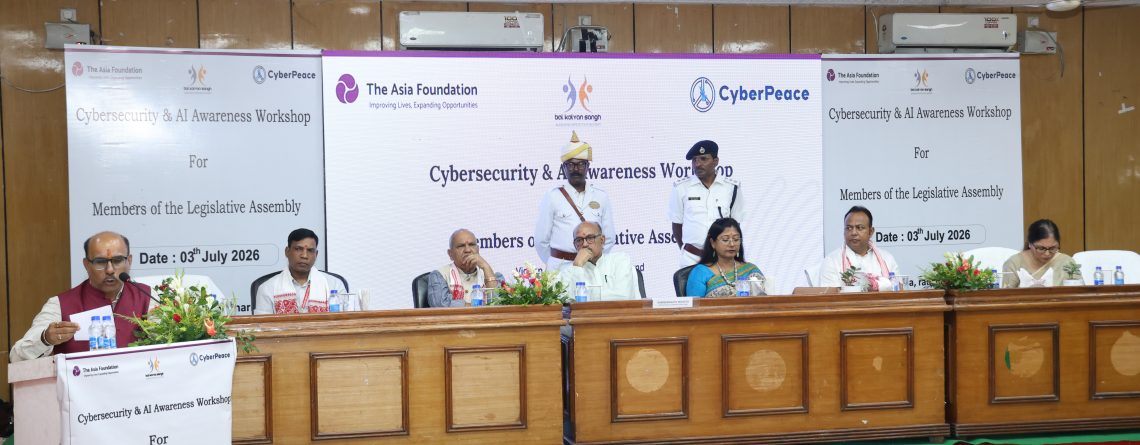
Recognising the need to build cyber-resilient leadership, Bal Kalyan Sangh, in collaboration with The Asia Foundation and CyberPeace Foundation, organised a Cybersecurity and AI Awareness Programme for the Hon'ble Members of the Jharkhand Legislative Assembly on 3 July 2026 at the Jharkhand Vidhan Sabha, Ranchi. The programme was conducted under The Asia Foundation's APAC Cybersecurity Fund (ACF) with support from Google.org.
Building Digital Leadership Among Legislators
The programme was designed exclusively for Members of the Jharkhand Legislative Assembly to strengthen their understanding of cybersecurity, artificial intelligence, and responsible digital governance. The objective was to equip legislators with practical knowledge to identify emerging cyber threats, secure their digital communications, protect sensitive information, and promote cyber awareness within their constituencies.
By strengthening the cyber preparedness of elected representatives, the initiative contributes to creating safer digital institutions and more resilient governance systems across Jharkhand.
Distinguished Dignitaries Grace the Programme
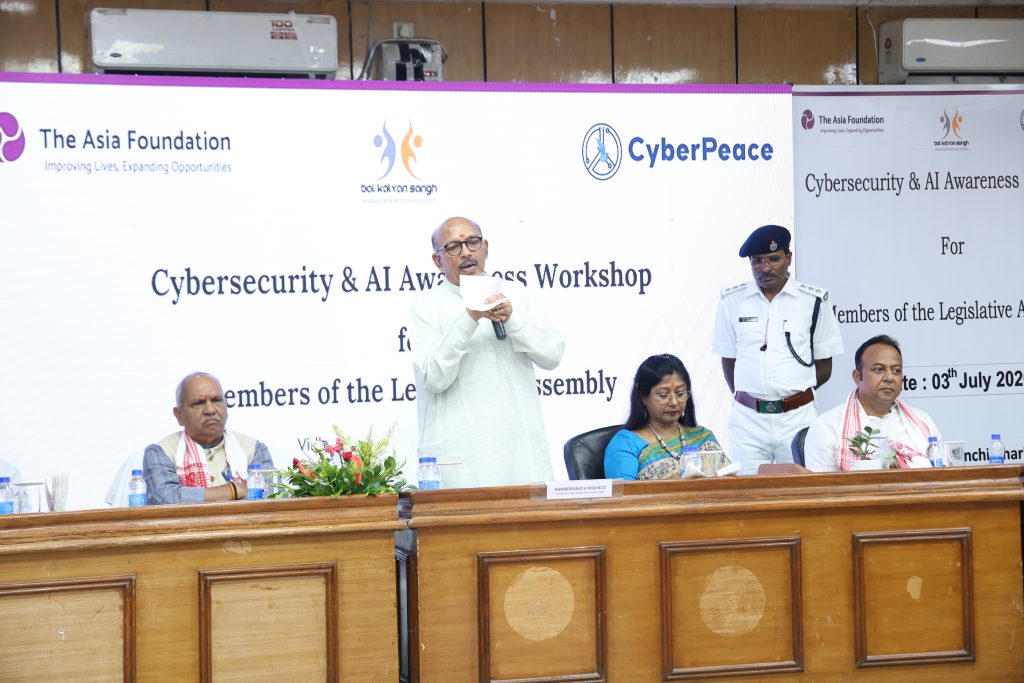
The programme was inaugurated by Shri Rabindranath Mahato, Hon'ble Speaker of the Jharkhand Legislative Assembly, who attended as the Chief Guest. The event was also graced by Smt. Mahua Maji, Hon'ble Member of Parliament (Rajya Sabha), Shri C.P. Singh, Hon'ble Member of the Jharkhand Legislative Assembly, and Shri Naveen Jaiswal, Hon'ble Member of the Jharkhand Legislative Assembly.
Other distinguished guests included Shri Sanjit Singh, Secretary In-charge, Jharkhand Legislative Assembly, Smt. Nandita Baruah, Country Representative, The Asia Foundation, Shri Mayank Murari, CSR Head, Usha Martin Foundation, and Shri Sanjay Kumar Mishra, Founder, Bal Kalyan Sangh.
Welcoming the participants, Shri Sanjay Kumar Mishra emphasised that as governance increasingly relies on digital technologies, public representatives must possess the knowledge and skills to navigate the evolving cyber landscape securely.
Smt. Nandita Baruah highlighted that MLAs represent diverse constituencies encompassing education, healthcare, trade, infrastructure, and public administration. Equipping legislators with cybersecurity knowledge therefore strengthens the digital resilience of multiple institutions and ultimately benefits millions of citizens.
Legislators Call for Stronger Cyber Awareness and Policy
During the inaugural session, the dignitaries reflected on the growing impact of cybercrime across the country and the need for collective action.
Hon'ble Speaker Shri Rabindranath Mahato stressed that cybersecurity laws must evolve continuously to keep pace with rapidly changing technologies. He also advocated for integrating cybersecurity awareness into schools, colleges, and public institutions.
Hon'ble MLA Shri C.P. Singh shared his own experience of attempted cyber fraud and observed that if elected representatives can become targets, ordinary citizens are even more vulnerable. He called for stronger legal safeguards and greater public awareness.
Hon'ble MLA Shri Naveen Jaiswal proposed that cybersecurity become a regular subject of discussion in the Jharkhand Legislative Assembly. Referring to Jharkhand's challenges with cyber fraud, he emphasised the importance of expanding awareness among rural communities, where many citizens remain unaware of common online scams.
Hon'ble MP Smt. Mahua Maji underlined the urgent need to extend cybersecurity awareness beyond urban centres. She also highlighted the growing challenge posed by misinformation, viral fake content, and AI-generated media, stressing that awareness must become an integral part of digital governance.
Technical Sessions: Understanding Today's Cyber Threat Landscape
The technical sessions were led by cybersecurity experts from CyberPeace Foundation, providing legislators with practical knowledge on today's rapidly evolving cyber ecosystem.
Shri H.C. Joshi, Technical Head, CyberPeace Foundation
Shri H.C. Joshi delivered an engaging session on the evolving cyber threat landscape, explaining how cybercriminals, state-sponsored actors, hacktivists, and organised fraud networks target public representatives and institutions. He discussed common attack vectors such as phishing emails, fraudulent SMS messages, fake websites, malicious social media campaigns, and identity theft.
He also emphasised the importance of adopting strong cybersecurity practices, including secure passwords, multi-factor authentication, software updates, secure Wi-Fi usage, and organisational cyber hygiene to safeguard both personal and official digital assets.
Shri Naman Shreedhar, Researcher, CyberPeace Foundation
Shri Naman Shreedhar conducted practical demonstrations of digital safety tools that legislators can use in their everyday lives. Participants learned how to verify suspicious files and links using VirusTotal, evaluate password strength, identify AI-generated content, and check unauthorised SIM registrations through government-authorised platforms.
The interactive demonstrations enabled legislators to better understand emerging cyber risks while providing practical solutions that can be immediately adopted.
Reporting Cybercrime and Protecting Digital Assets
Participants were introduced to official cyber incident reporting mechanisms, including the National Cyber Crime Reporting Portal, the 1930 Cyber Fraud Helpline, and other authorised grievance redressal platforms. The experts also emphasised the importance of timely reporting, evidence preservation, and responsible digital behaviour.
Each participant received a Cyber Security Quick Guide developed by CyberPeace Foundation, covering essential cyber hygiene practices and an overview of India's Digital Personal Data Protection (DPDP) framework.
Interactive Learning and Meaningful Dialogue
The programme concluded with an interactive question-and-answer session where Members of the Legislative Assembly engaged directly with cybersecurity experts. Through live polling and open discussions, participants explored real-life cybersecurity challenges, clarified concerns regarding AI and digital fraud, and discussed ways to strengthen cyber resilience within government institutions and their constituencies.
Towards a Cyber-Resilient Jharkhand
The Cybersecurity and AI Awareness Programme marked an important milestone in strengthening the digital preparedness of Jharkhand's legislators. By equipping MLAs with practical knowledge of cybersecurity and artificial intelligence, the initiative supports informed policymaking, secure digital governance, and stronger institutional resilience.
Bal Kalyan Sangh remains committed to working with government institutions, development partners, and technical experts to promote cybersecurity awareness, responsible technology use, and digital safety across Jharkhand. As cyber threats continue to evolve, empowering public representatives with the knowledge to lead securely is essential for protecting citizens, strengthening democratic institutions, and building a resilient digital future for the state.
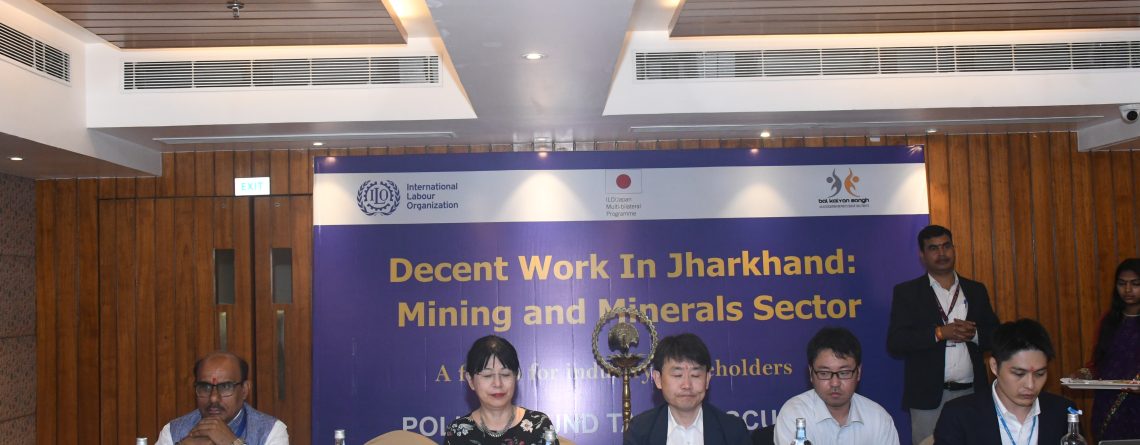
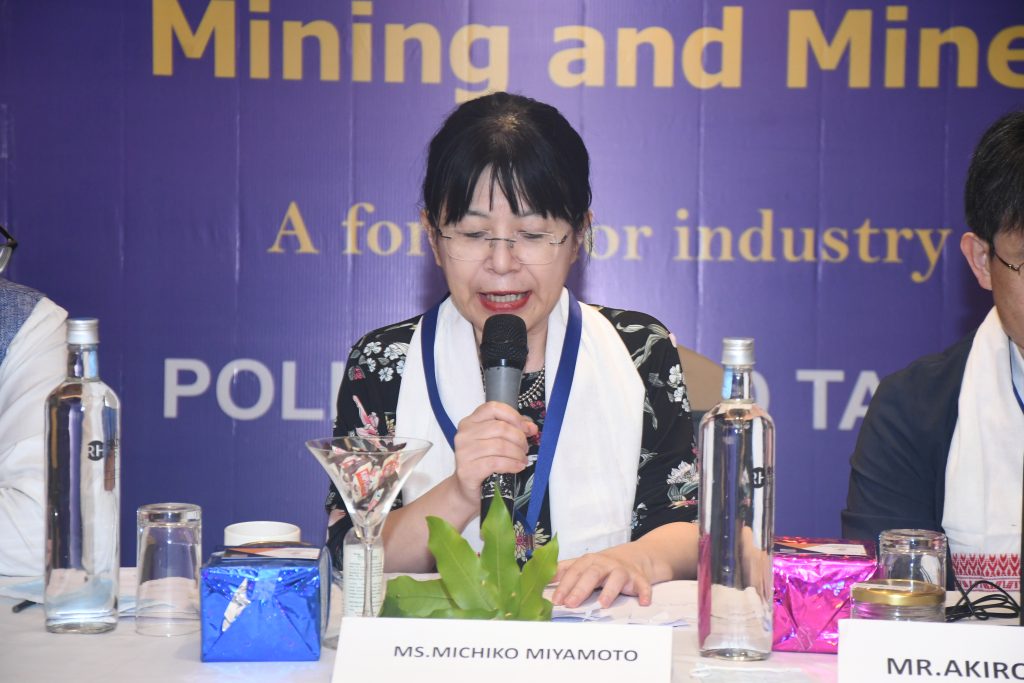
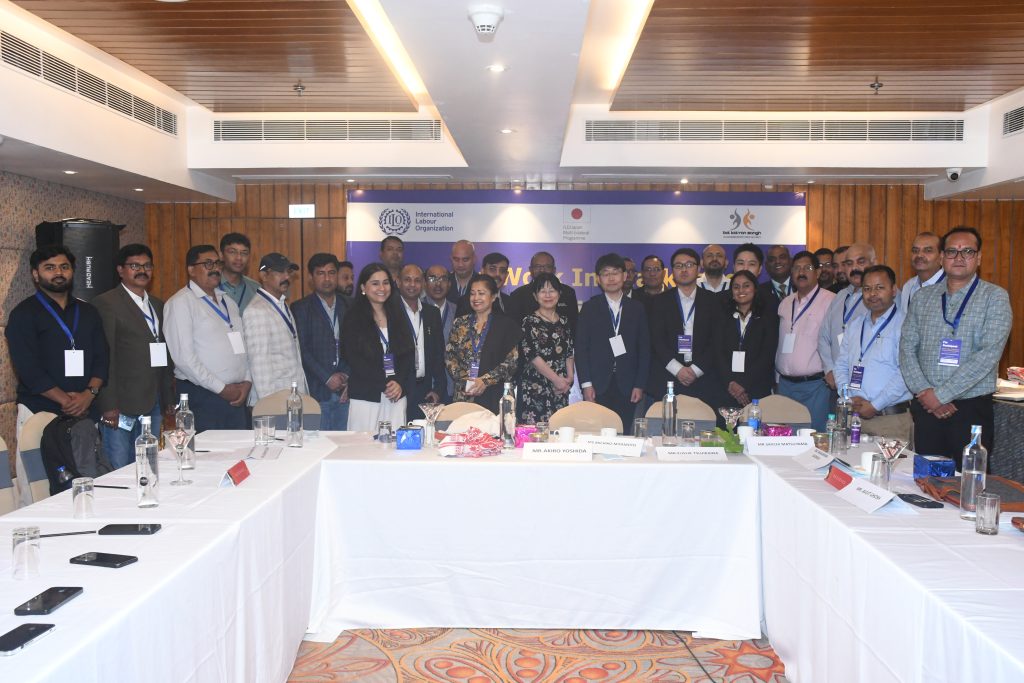
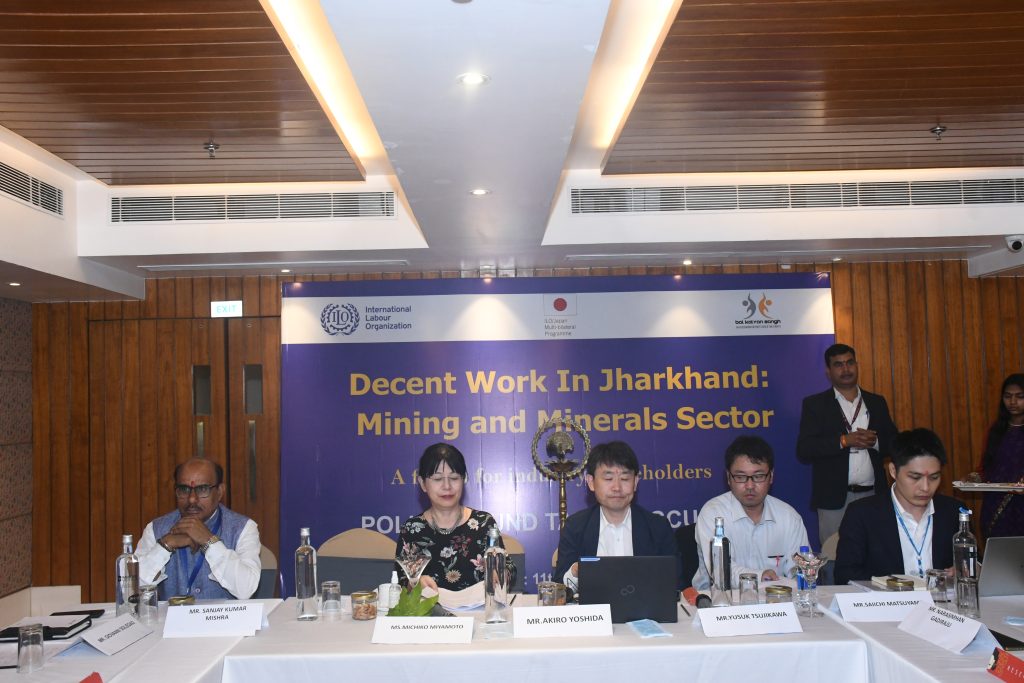
Decent Work in Jharkhand: Mining and Minerals Sector
The International Labour Organization (ILO) and the Japan–Mukti Bilateral Programme, in partnership with Bal Kalyan Sangh (BKS), organized a Round Table Policy Discussion on “Decent Work in Jharkhand: Mining and Minerals Sector.” The event brought together industry stakeholders, international experts, development partners, and civil society representatives engaged in the mining and minerals sector to deliberate on labour rights, safety standards, and sustainable practices in Jharkhand’s mining industry.
The discussion was chaired by representatives from the Government of Japan, including Mr. Akira Yoshida, Mr. Yusuke Sujikawa, and Mr. Matsuyama, along with Ms. Michiko Miyamoto, Director, International Labour Organization (ILO) India, Mr. Giovanni Soleidad, Technical Advisor, ILO, and Mr. Sanjay Kumar Mishra, Founder Secretary, Bal Kalyan Sangh.
In his welcome address, Mr. Sanjay Kumar Mishra emphasized the importance of collective action between government institutions, international organizations, civil society, and industry stakeholders to promote ethical labour practices and sustainable livelihoods in the mining sector. Ms. Michiko Miyamoto highlighted the need to strengthen labour standards, occupational safety, and social protection systems to ensure decent work for workers across the entire mining value chain.
Jharkhand holds nearly 40% of India’s total mineral reserves, making it one of the most resource-rich states in the country. Participants noted that the sector holds significant potential to generate employment and livelihoods if effectively formalized and regulated. The discussions covered the entire mining value chain, including mineral extraction, processing, transportation, and supply chain systems, with a strong focus on improving labour conditions and strengthening regulatory frameworks.
Stakeholders highlighted that mining remains one of the most hazardous sectors for workers, often characterized by unsafe working environments, informal employment, and limited social protection. Participants emphasized the urgent need to strengthen regulations and ensure their effective implementation so that workers’ labour rights and basic human rights are protected, enabling them to access safe working conditions and dignified livelihoods.
A significant portion of the discussion focused on mica mining, for which Jharkhand is globally recognized as a source of high-quality mica. However, due to regulatory gaps and weak policy implementation, mica mining remains largely unorganized in several regions. This has resulted in persistent challenges such as labour exploitation, unsafe working conditions, and the continued risk of child labour.
During the technical session, Dr. P. Thangam from Terre des Hommes Netherlands (TdH Netherlands) presented an overview of the current state of decent work in Jharkhand’s mining sector, highlighting key policy gaps and opportunities for strengthening implementation frameworks. The presentation also showcased best practices that can contribute to safer and more equitable working conditions for workers engaged in mining and mineral processing.
Providing a comparative perspective, Mr. Varun Sharma, Director of Programmes at Aravali Rajasthan, and Dr. Vijay Jain shared insights from Rajasthan’s mining sector, another important source of mica in India. Mr. Sharma noted that mica mining operations in Rajasthan are also largely informal, with many workers operating outside formal labour protections. He emphasized that addressing these challenges requires stronger policy attention, effective enforcement mechanisms, and collaborative interventions involving government, industry, and civil society.
Another key theme that emerged from the discussions was the need to promote ethical sourcing of critical minerals among companies, buyers, and consumers. Participants stressed that responsible supply chains, transparency in sourcing practices, and stronger accountability mechanisms are essential to ensure that minerals are produced without exploitation and under safe labour conditions.
The event witnessed active participation from local industries, business associations, policymakers, and development organizations, creating a platform for dialogue and collaboration among key stakeholders in the mining and minerals sector. The policy dialogue concluded with a shared commitment to strengthen partnerships and develop practical strategies that can advance decent work, labour protection, and ethical supply chains in Jharkhand’s mining sector.
The organizers highlighted that continued collaboration among stakeholders will be essential to transform Jharkhand’s mining industry into a model of sustainable development, responsible mining, and dignified employment opportunities for workers across the state.
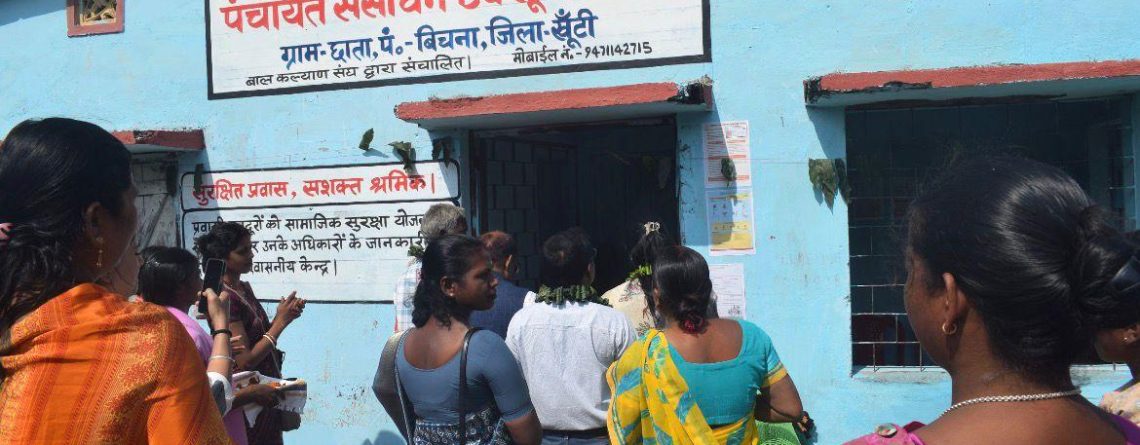
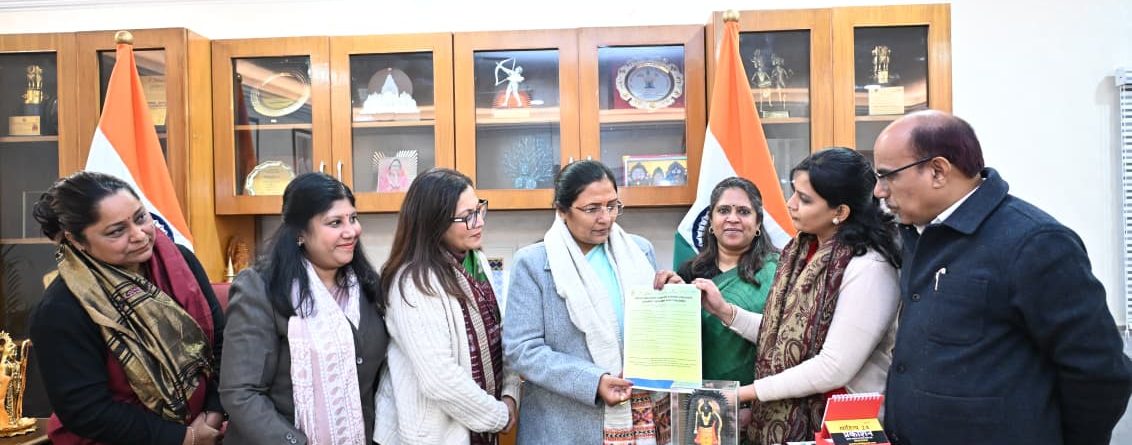
Delhi Declaration on Ending Violence Against Women and Children From Dialogue to Action Towards Viksit Bharat @2047
Delhi Declaration on Ending Violence Against Women and Children
From Dialogue to Action Towards Viksit Bharat @2047
The Delhi Declaration on Ending Violence Against Women and Children marks a significant national commitment to safeguarding the rights, dignity, and well-being of women and children in India. The Declaration was formally presented by the organisers to Smt. Savitri Thakur, Hon’ble Minister of State for Women and Child Development, Government of India, during the National Symposium “संवाद से संकल्प तक – For Every Woman and Child”, held on 12–13 January 2026 at NDMC, New Delhi.
A Collective National Vision
The Declaration emerged from two days of intensive national dialogue that brought together representatives from the Government of India, civil society organisations, community leaders, youth and women champions, survivor collectives, researchers, and development practitioners. Anchored in the Constitution of India, aligned with national child- and women-centric legislation, and reflective of India’s commitments under the Sustainable Development Goals, the Declaration is firmly rooted in the vision of Viksit Bharat @2047.
It recognises that the safety, education, dignity, protection, and holistic development of every woman and every child are fundamental to India’s inclusive, equitable, and sustainable growth.
Priority Areas of Commitment
Ending Child, Early and Forced Marriage
Recognising child marriage as a grave violation of child rights and a barrier to education, health, and gender equality, the Declaration calls for strengthened prevention through community mobilisation, awareness, counselling, and social protection support. It emphasises improved access to education, higher education, safe transport, scholarships, vocational training, and livelihood opportunities for girls.
Elimination of Child Labour
To break cycles of intergenerational poverty, the Declaration stresses strong prevention, rescue, rehabilitation, and reintegration mechanisms. It calls for dedicated child labour monitoring mechanisms in high-risk districts and improved convergence between labour, education, women and child development, and social welfare departments, alongside family strengthening and social security support.
Prevention of Trafficking of Women and Children
Addressing trafficking for labour, sexual exploitation, forced marriage, and other forms of abuse, the Declaration prioritises prevention in migration-prone areas, awareness on safe migration, survivor-centred rehabilitation, and long-term reintegration. It also highlights the need for strengthened inter-state coordination, effective law enforcement responses, digital safety measures, and strict enforcement of anti-trafficking laws.
Strengthening Families by Empowering Women
The Declaration recognises women’s empowerment as central to building resilient families and ensuring child well-being. It promotes vulnerability mapping to identify at-risk women, children, and families and guide targeted support under flagship child protection and social security programmes. The approach of “One Village – One Unified Plan” is highlighted to strengthen village-level planning through collaboration among women’s collectives, Panchayats, and local administration.
Building Protective and Responsive Systems
The Declaration emphasises system strengthening and community-led prevention through:
-
Mandatory pre-service and in-service training for frontline workers such as teachers, Anganwadi Workers, and ASHAs
-
Capacity building of Panchayati Raj Institutions, Urban Local Bodies, School Management Committees, and Self-Help Groups on child and women protection laws and schemes
-
Integration of child protection priorities into Gram Panchayat Development Plans with strategic use of local resources
-
Strengthening adolescent health, life skills, and school retention through convergence with national health and education programmes
-
Professionalisation and strengthening of child protection services and helplines
Focus on High-Risk and Marginalised Communities
The Declaration calls for prioritised action in hotspot districts, blocks, and marginalised communities. It underscores the importance of addressing structural drivers of child marriage, trafficking, and child labour through integrated interventions in education, health, livelihoods, and life skills.
From Declaration to Action
The formal presentation of the Delhi Declaration signifies a shared commitment between civil society and the Government of India to move from dialogue to action. It calls for adequate financial and human resources, strong convergence across sectors, clear accountability mechanisms, and robust monitoring frameworks to ensure effective implementation in alignment with the vision of Viksit Bharat @2047.
A Shared Commitment for India’s Future
The Delhi Declaration represents a collective resolve to work together across government, civil society, academia, media, private sector, and communities. Together, it envisions an India where every woman and every child is safe, protected, educated, empowered, and enabled to realise their full potential.
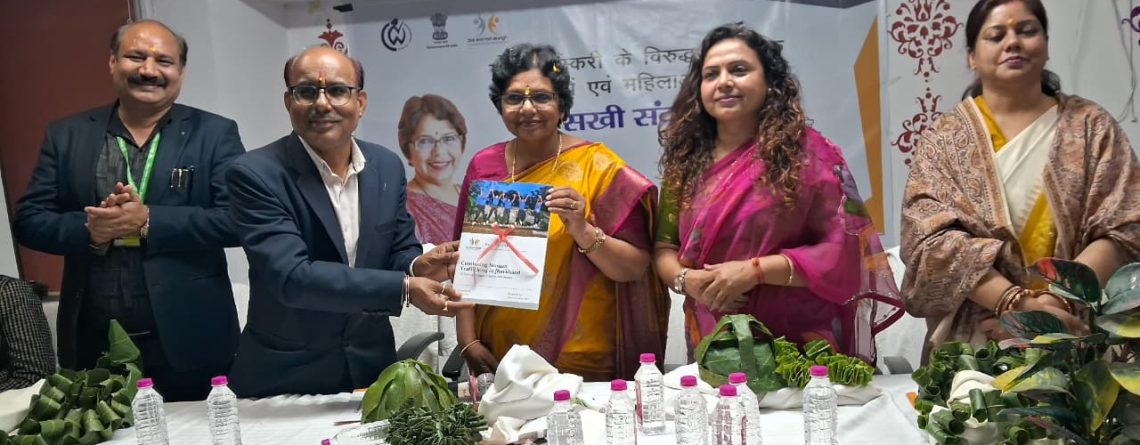
Sakhi Samvad with Smt Vijaya Rahatkar, Hon’ble Chairperson, NCW, New Delhi
Rising Trafficking of Girls Through Forced Marriages
Bal Kalyan Sangh Event Chaired by NCW Chairperson Calls for Strong Action
Bal Kalyan Sangh, Jharkhand, organized a programme titled “Sakhi Samvad” (Women’s Dialogue) on Monday at Ranchi, with the objective of creating awareness on human trafficking, child marriage, and women’s rights.
The programme was presided over by Ms. Vijaya Kishore Rahatkar, Chairperson of the National Commission for Women. Addressing the gathering, Ms. Rahatkar highlighted that due to lack of development in rural and remote areas, women and adolescent girls are at a significantly higher risk of trafficking. She expressed serious concern over the increasing trend of young girls being trafficked under the pretext of marriage, calling it a grave violation of human rights.
She urged women to become aware of their rights and to raise their collective voices against social evils. Ms. Rahatkar further stated that innocent girls are often lured with false promises of better education, employment opportunities, or a secure future, which ultimately results in exploitation and trafficking.
Mr. Sanjay Mishra, Founder of Bal Kalyan Sangh, stated that the organization has been working for over three decades in the areas of child protection, prevention of human trafficking, and women’s empowerment. He emphasized that Bal Kalyan Sangh has been making consistent efforts at the grassroots level to address trafficking and related vulnerabilities through community engagement, awareness, and system strengthening.
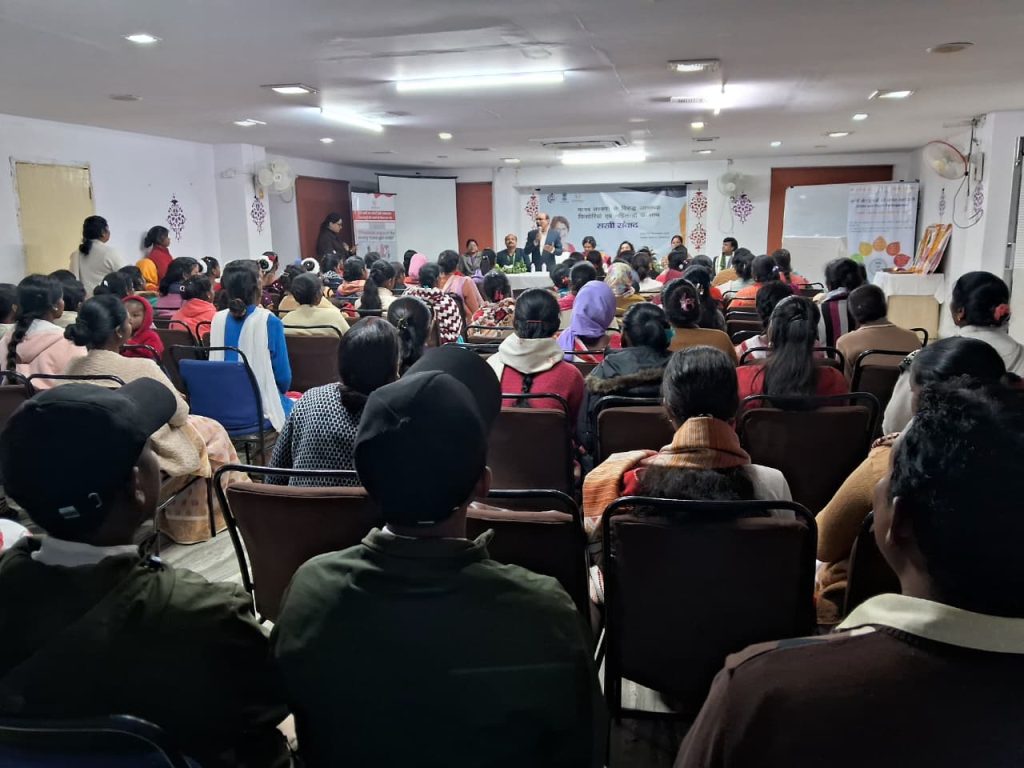
The programme witnessed participation from women and adolescent girls from various rural and remote areas of Jharkhand. Detailed discussions were held on issues such as human trafficking, child marriage, domestic violence, witch-hunting, girls’ education, and the challenges faced by girls from single-parent families.
Participants shared that even today, women in many villages face persecution on the pretext of witchcraft, while several girls are forced to drop out of school after completing the eighth grade due to poverty, social norms, and lack of support. A large number of women from remote areas attended the programme and actively participated in the dialogue, sharing their lived experiences and concerns.
The programme concluded with a collective resolve to strengthen community awareness, protect girls from trafficking and early marriage, and ensure access to education, safety, and dignity for every child and woman.
Strengthening Community-Based Child Protection Mechanisms
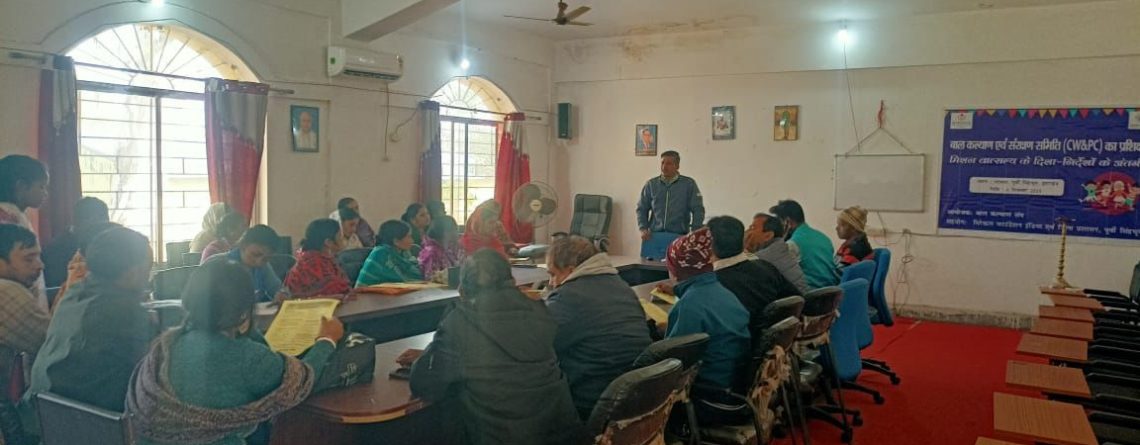
Bal Kalyan Sangh (BKS), in collaboration with the district administration and Mission Vatsalya, has undertaken a major initiative to strengthen grassroots child protection systems
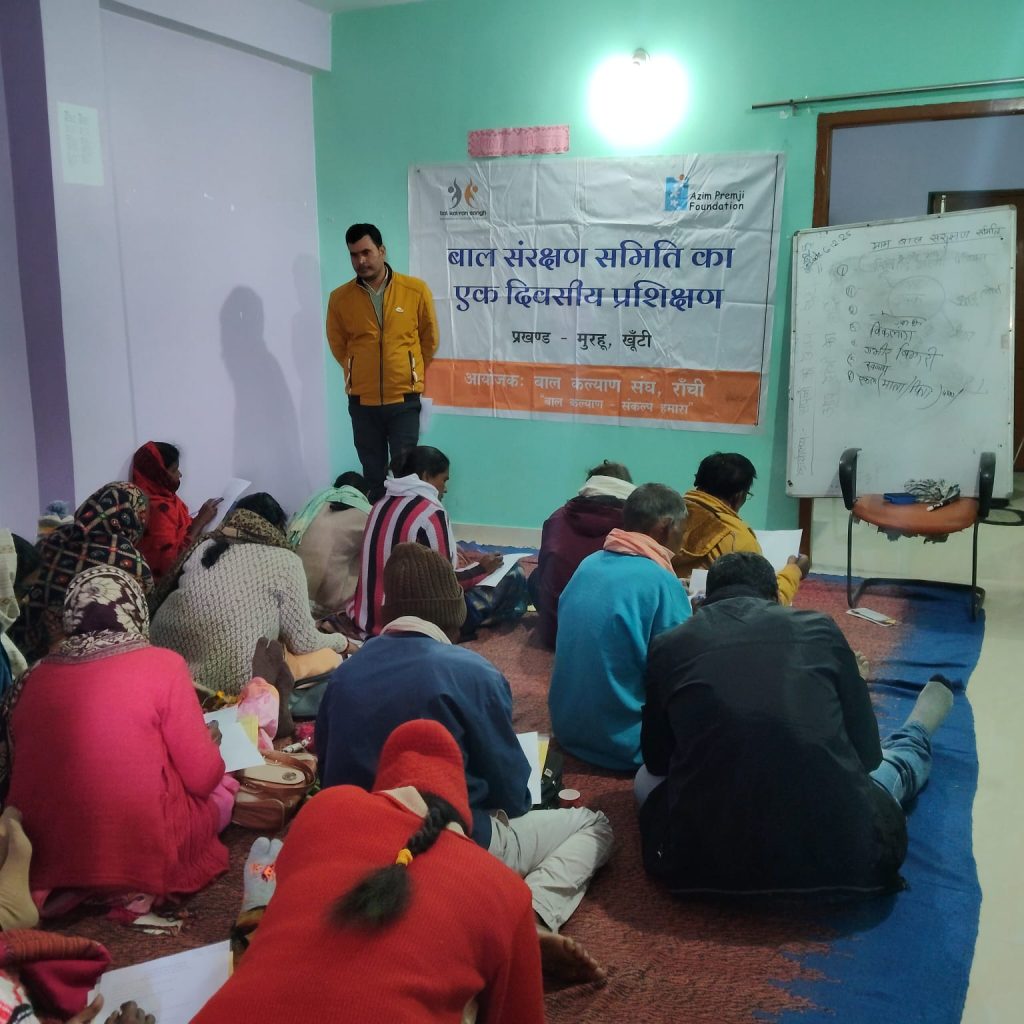
across East Singhbhum. Through a series of structured trainings, more than 300 committee members from 35 Panchayats across Patamda and Ghatshila blocks have been trained to build strong, community-led child protection mechanisms.
These trainings focused on enhancing the capacities of Village Child Protection Committees (VCPCs) and Child Welfare & Protection Committees (CW&PCs), which serve as the first and most crucial layer of protection for children at the village level.
In Murhu region, committee members from 14 villages also received specialized training on identifying vulnerable children, understanding risks within families, and responding effectively to issues such as school dropout, early marriage, unsafe migration, child labour, and trafficking. Participants were oriented on conducting regular committee meetings, maintaining strong coordination with schools, Anganwadi centers, health workers, and Panchayati Raj representatives, and ensuring timely reporting of concerns to Childline 1098 or police authorities.
In Patamda Block, a separate session chaired by the Circle Officer highlighted the importance of combining education with value-based development to promote the holistic growth of children. Discussions included addressing challenges like mobile addiction, reduced social interaction, and increasing vulnerability among adolescents.
Through these combined efforts, BKS emphasized that community vigilance and participation are the pillars of effective child protection. Empowered committees are now better equipped to monitor risks, support families in distress, link children to government welfare schemes, and prevent harmful practices.
Bal Kalyan Sangh remains committed to working with Panchayats, frontline workers, and civil society partners to create safe, nurturing, and resilient communities where every child’s rights are protected and upheld.