International Youth Day 2026: Collective Action to End Child Labour and Child Trafficking
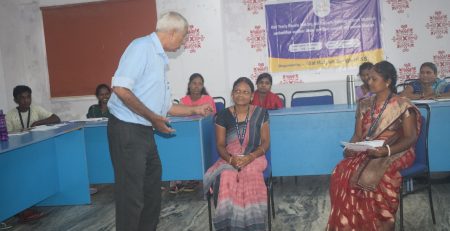
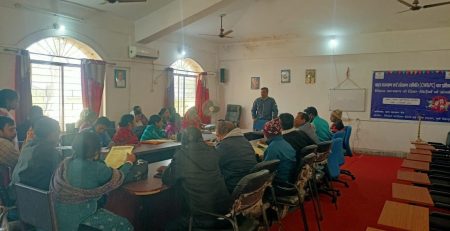
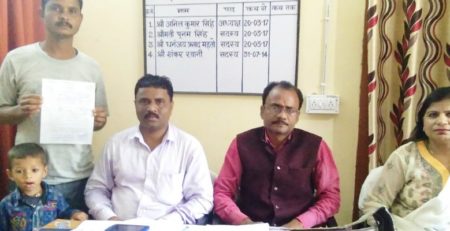
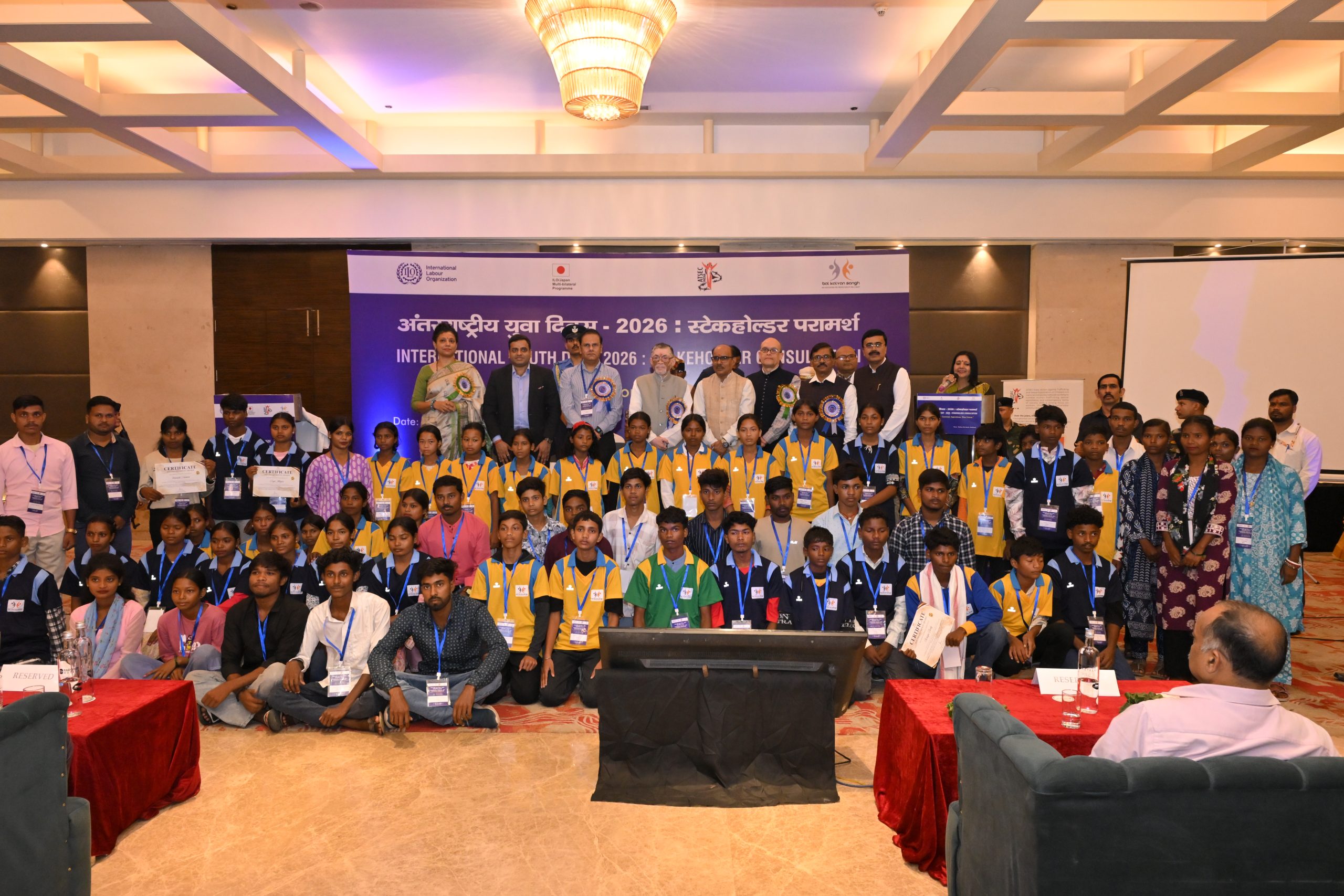
Ranchi, 12 August 2026 — On the occasion of International Youth Day 2026, Bal Kalyan Sangh (BKS), in collaboration with the International Labour Organization (ILO), organised a stakeholder consultation in Ranchi on “Freedom from Child Labour and Child Trafficking.” The consultation brought together government representatives, civil society organisations, child protection stakeholders, District Child Protection Officers, Child Welfare Committees and around 200 young people to deliberate on strengthening collective efforts for the protection and development of children.
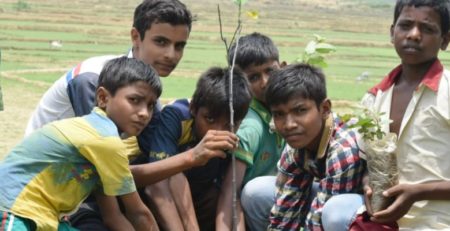
The consultation highlighted the important role of young people, government institutions, communities and civil society in creating an environment where every child can access education, protection and opportunities to build a better future.
Governor Calls for Collective Action for Every Child
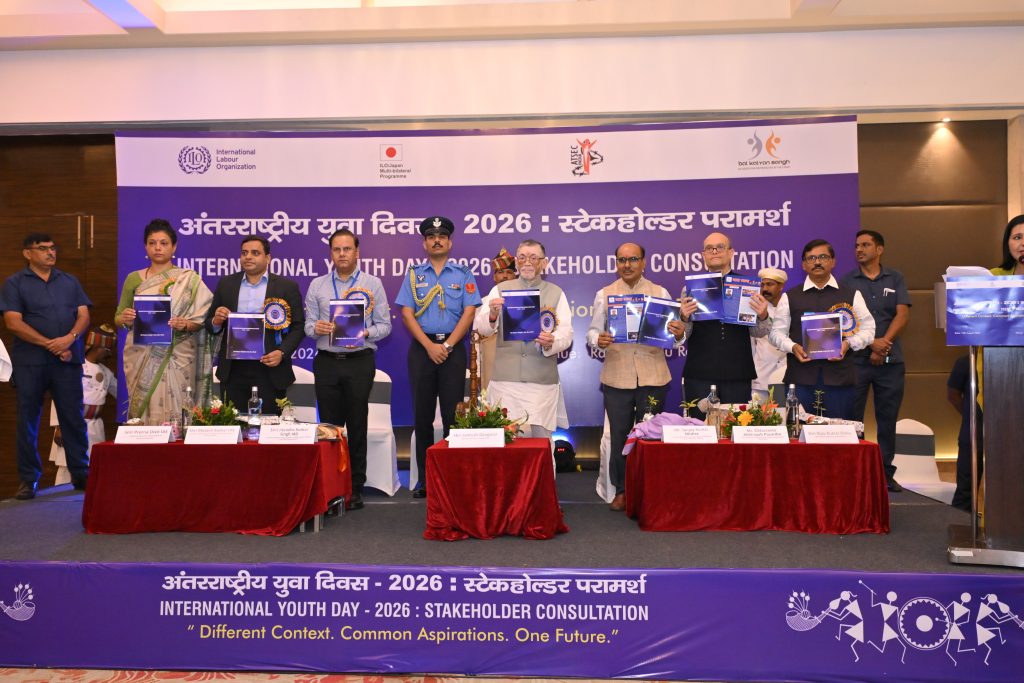
The programme was graced by Hon’ble Governor of Jharkhand, Shri Santosh Kumar Gangwar, as the Chief Guest.
Addressing the gathering, the Governor emphasised the importance of continued vigilance and collective responsibility towards child protection, particularly in remote and vulnerable communities. He stressed that every child should have access to education and that children who are out of school must be identified and supported to return to education.
He highlighted that addressing child labour and trafficking requires coordinated efforts to ensure that children grow up in safe, supportive and enabling environments. He further emphasised that the vision of Viksit Bharat@2047 can be strengthened when every child is safe, educated, healthy and given the opportunity to realise their potential.
Strengthening Action Against Child Labour
Shri Jitendra Kumar Singh, Secretary, Department of Labour, Employment, Training and Skill Development, shared key updates on the state’s efforts to address child labour.
During FY 2025–26, the department conducted 20,700 inspections, resulting in the rescue of 87 children from child labour, registration of 59 FIRs, and enrolment of 24 children in schools.
During FY 2026–27, up to August, 812 inspections have already been conducted, leading to the rescue of 52 children.
He called for heightened vigilance and stronger coordination in districts identified as particularly vulnerable, including Khunti, Simdega, Gumla, Lohardaga, East Singhbhum and West Singhbhum.
Emphasising the importance of implementation, he noted:
“Law alone cannot save a child. It is the people who implement the law who save children.”
He underlined the need for close coordination among the Labour Department, district administration, police, Child Welfare Committees, Panchayati Raj institutions, social workers and communities to ensure timely identification, rescue and rehabilitation of children.
Beyond Rescue: Ensuring a Dignified Future
Shri Mukesh Kumar, Secretary, Department of Tourism, Arts & Culture, Sports and Youth Affairs, emphasised that the rescue of a child from child labour should be the beginning of a comprehensive rehabilitation journey.
He called for stronger post-rescue support covering education, healthcare, family reunification, social security and skill development. He also highlighted the potential of India’s young population and the importance of creating meaningful opportunities for young people to contribute to social development.
The focus, he emphasised, should not only be on rescuing children from child labour, but also on connecting them with education, protection, family support, skills and a dignified future.
Launch of the State Action Plan on Child Labour
A major milestone of the consultation was the launch of the State Action Plan on Child Labour, jointly supported by Bal Kalyan Sangh and the International Labour Organization (ILO).
The five-year strategy provides a framework for strengthening coordinated action towards the elimination of child labour. It focuses on key areas including:
- Prevention and awareness
- Identification and rescue of children
- Rehabilitation and reintegration
- Re-enrolment in education
- Family strengthening and social security linkages
- Community participation
- Youth-led awareness and action
- Stronger coordination among stakeholders
The Action Plan seeks to bring together government departments, civil society organisations, communities and young people around a common vision for a child-labour-free Jharkhand.
Youth as Partners for Change
The consultation also placed young people at the centre of conversations on child protection and social development.
Mr. Oktavianto Akhirsyah Pasaribu, Deputy Director, International Labour Organization, New Delhi, highlighted the importance of engaging young people as active partners in addressing issues such as child labour and child marriage. He emphasised that meaningful youth participation can strengthen community awareness, social mobilisation and child protection mechanisms.
The participation of around 200 young people reflected the growing role of youth in shaping solutions to social challenges and contributing to safer and more inclusive communities.
A Shared Commitment for Jharkhand
Shri Sanjay Kumar Mishra, Founder, Bal Kalyan Sangh, presented the organisation’s five-year strategy towards the elimination of child labour and strengthening child protection efforts across Jharkhand.
The consultation reinforced a shared understanding that ending child labour and child trafficking cannot be achieved by any single institution. It requires sustained collaboration between government departments, civil society organisations, communities, families and young people.
International Youth Day 2026 therefore served not only as an occasion to celebrate the potential of young people, but also as a platform to strengthen their role in building communities where every child can learn, grow, dream and thrive.
Moving Forward
The stakeholder consultation marked an important step towards strengthening collective action for the protection and development of children in Jharkhand. The launch of the State Action Plan on Child Labour provides a shared roadmap for the coming five years, while the active participation of young people brings renewed energy and commitment to the movement.
Together, through prevention, protection, rehabilitation, education and meaningful youth participation, Jharkhand can move closer to a future where every child is free from child labour and trafficking and has the opportunity to realise their dreams.