Decent Work in Jharkhand: Mining and Minerals Sector
The International Labour Organization (ILO) and the Japan–Mukti Bilateral Programme, in partnership with Bal Kalyan Sangh (BKS), organized a Round Table Policy Discussion on “Decent Work in Jharkhand: Mining and Minerals Sector.” The event brought together industry stakeholders, international experts, development partners, and civil society representatives engaged in the mining and minerals sector to deliberate on labour rights, safety standards, and sustainable practices in Jharkhand’s mining industry.
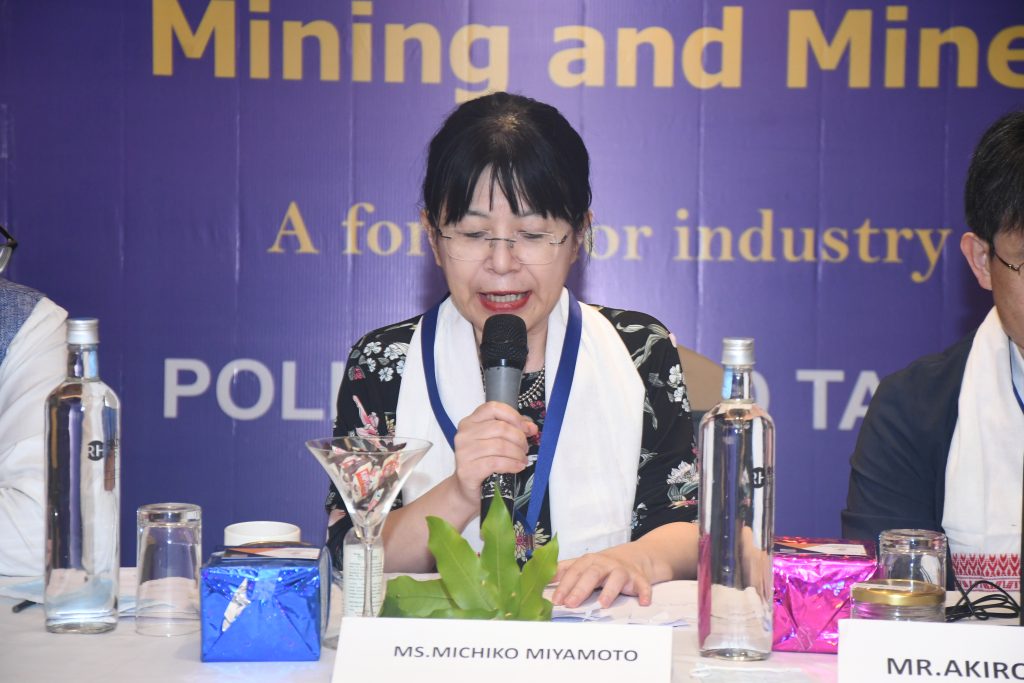
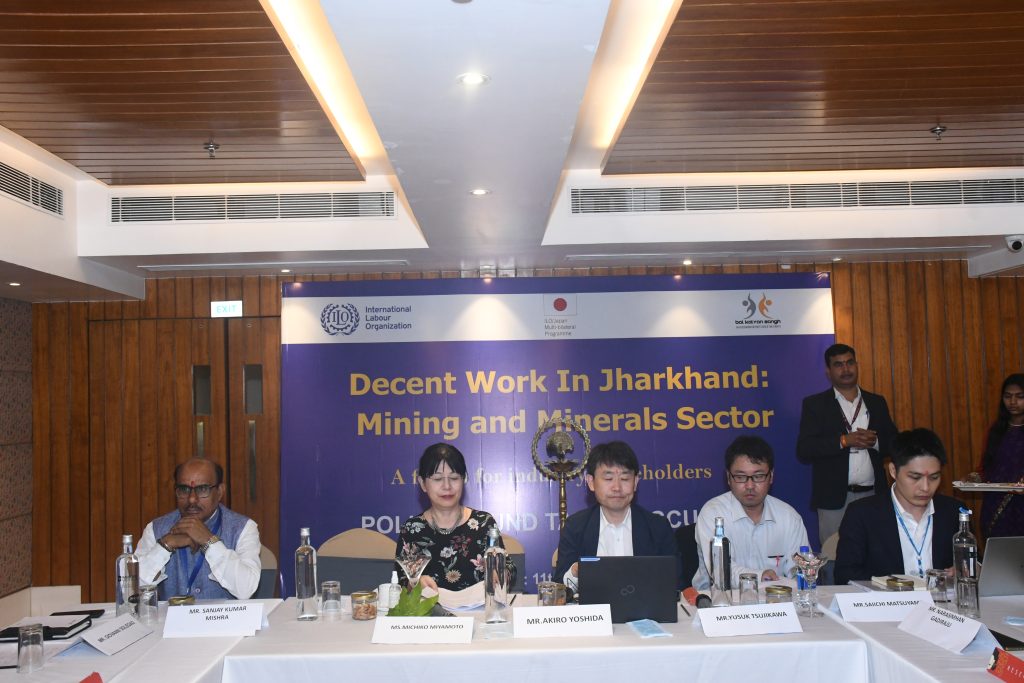
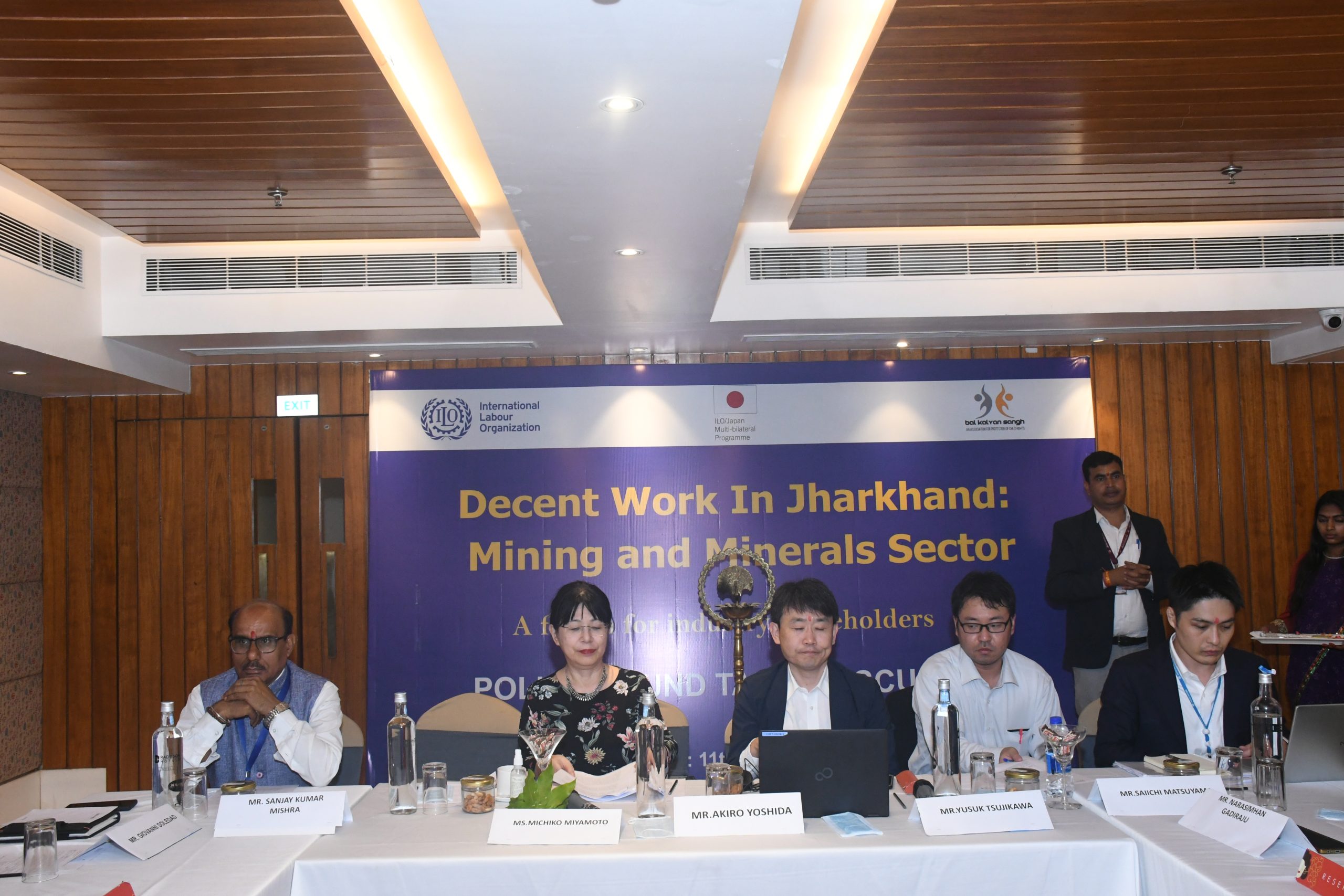
The discussion was chaired by representatives from the Government of Japan, including Mr. Akira Yoshida, Mr. Yusuke Sujikawa, and Mr. Matsuyama, along with Ms. Michiko Miyamoto, Director, International Labour Organization (ILO) India, Mr. Giovanni Soleidad, Technical Advisor, ILO, and Mr. Sanjay Kumar Mishra, Founder Secretary, Bal Kalyan Sangh.
In his welcome address, Mr. Sanjay Kumar Mishra emphasized the importance of collective action between government institutions, international organizations, civil society, and industry stakeholders to promote ethical labour practices and sustainable livelihoods in the mining sector. Ms. Michiko Miyamoto highlighted the need to strengthen labour standards, occupational safety, and social protection systems to ensure decent work for workers across the entire mining value chain.
Jharkhand holds nearly 40% of India’s total mineral reserves, making it one of the most resource-rich states in the country. Participants noted that the sector holds significant potential to generate employment and livelihoods if effectively formalized and regulated. The discussions covered the entire mining value chain, including mineral extraction, processing, transportation, and supply chain systems, with a strong focus on improving labour conditions and strengthening regulatory frameworks.
Stakeholders highlighted that mining remains one of the most hazardous sectors for workers, often characterized by unsafe working environments, informal employment, and limited social protection. Participants emphasized the urgent need to strengthen regulations and ensure their effective implementation so that workers’ labour rights and basic human rights are protected, enabling them to access safe working conditions and dignified livelihoods.
A significant portion of the discussion focused on mica mining, for which Jharkhand is globally recognized as a source of high-quality mica. However, due to regulatory gaps and weak policy implementation, mica mining remains largely unorganized in several regions. This has resulted in persistent challenges such as labour exploitation, unsafe working conditions, and the continued risk of child labour.
During the technical session, Dr. P. Thangam from Terre des Hommes Netherlands (TdH Netherlands) presented an overview of the current state of decent work in Jharkhand’s mining sector, highlighting key policy gaps and opportunities for strengthening implementation frameworks. The presentation also showcased best practices that can contribute to safer and more equitable working conditions for workers engaged in mining and mineral processing.
Providing a comparative perspective, Mr. Varun Sharma, Director of Programmes at Aravali Rajasthan, and Dr. Vijay Jain shared insights from Rajasthan’s mining sector, another important source of mica in India. Mr. Sharma noted that mica mining operations in Rajasthan are also largely informal, with many workers operating outside formal labour protections. He emphasized that addressing these challenges requires stronger policy attention, effective enforcement mechanisms, and collaborative interventions involving government, industry, and civil society.
Another key theme that emerged from the discussions was the need to promote ethical sourcing of critical minerals among companies, buyers, and consumers. Participants stressed that responsible supply chains, transparency in sourcing practices, and stronger accountability mechanisms are essential to ensure that minerals are produced without exploitation and under safe labour conditions.
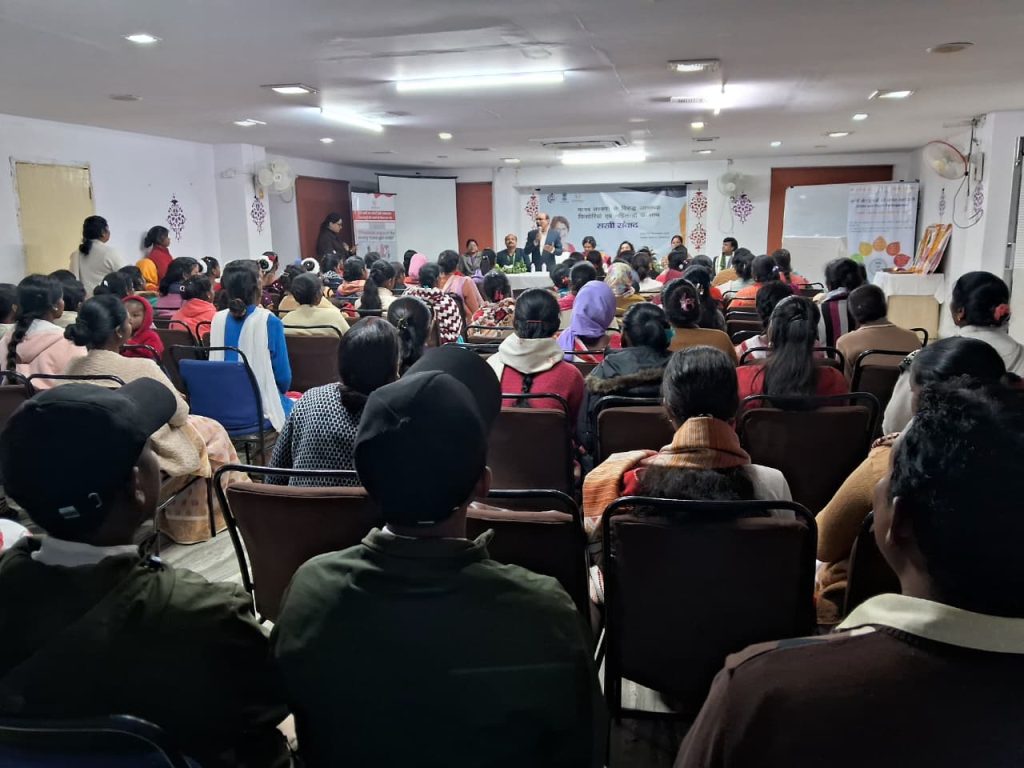
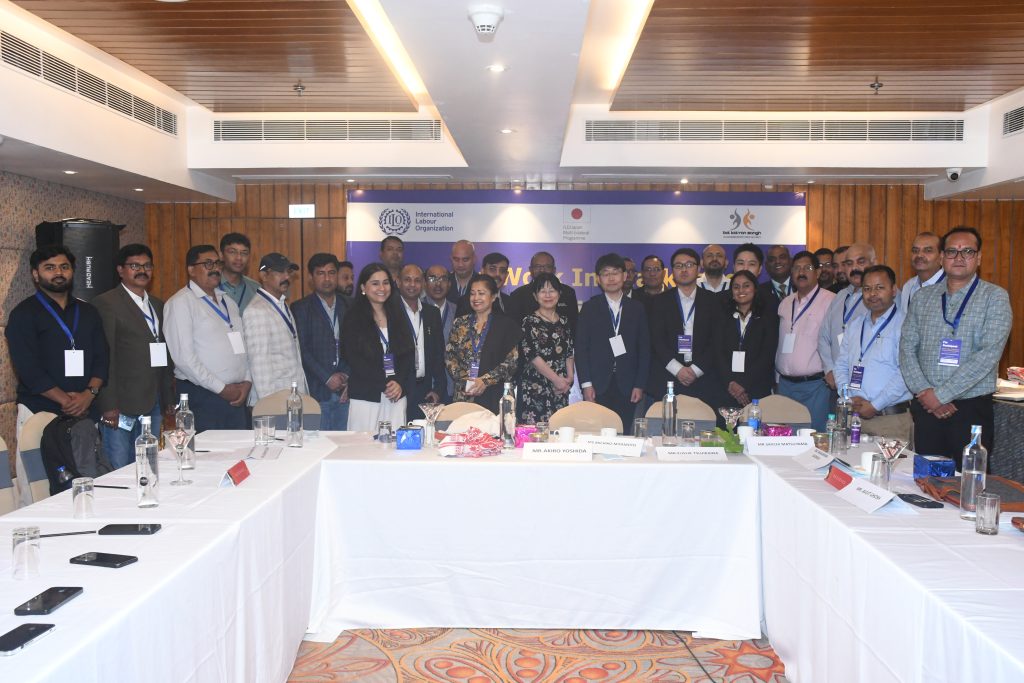
The event witnessed active participation from local industries, business associations, policymakers, and development organizations, creating a platform for dialogue and collaboration among key stakeholders in the mining and minerals sector. The policy dialogue concluded with a shared commitment to strengthen partnerships and develop practical strategies that can advance decent work, labour protection, and ethical supply chains in Jharkhand’s mining sector.
The organizers highlighted that continued collaboration among stakeholders will be essential to transform Jharkhand’s mining industry into a model of sustainable development, responsible mining, and dignified employment opportunities for workers across the state.