Author - Shivani

Decent Work in Jharkhand: Mining and Minerals Sector

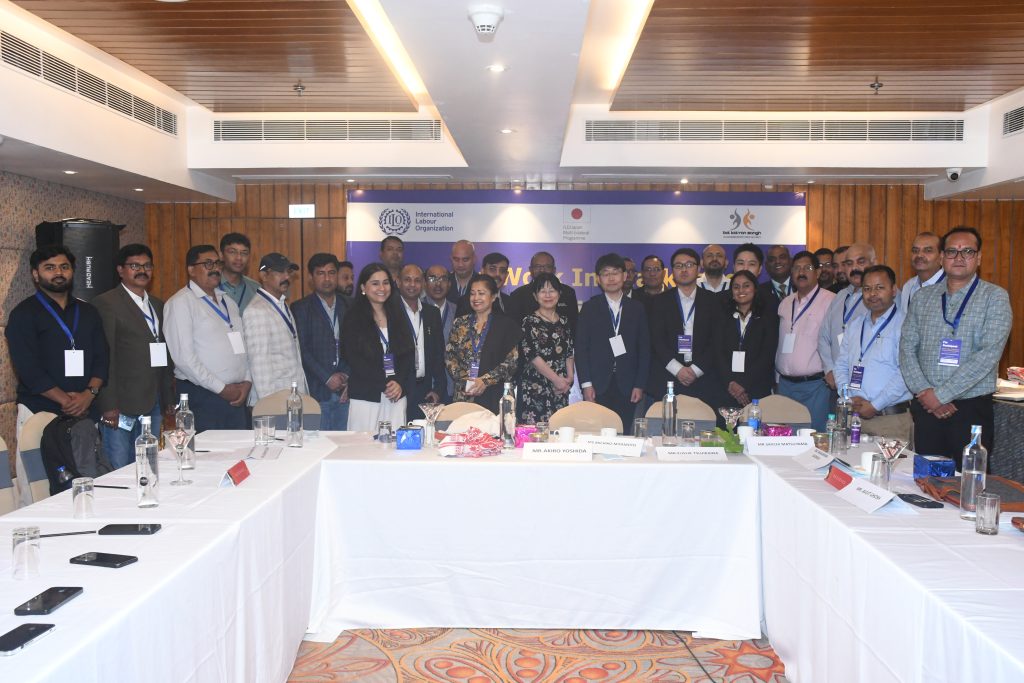
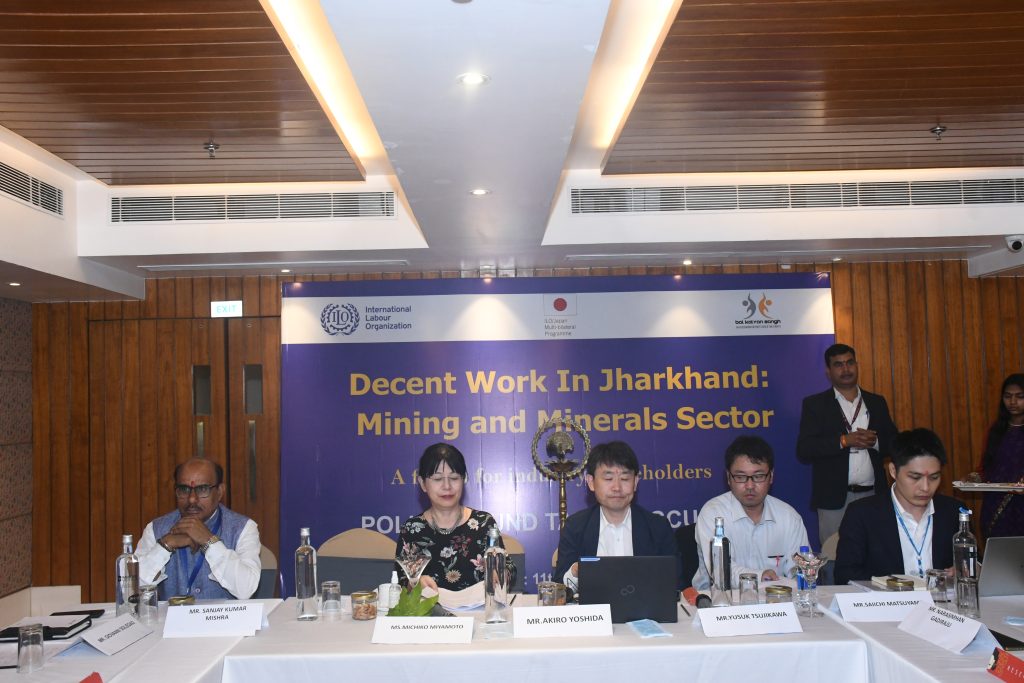
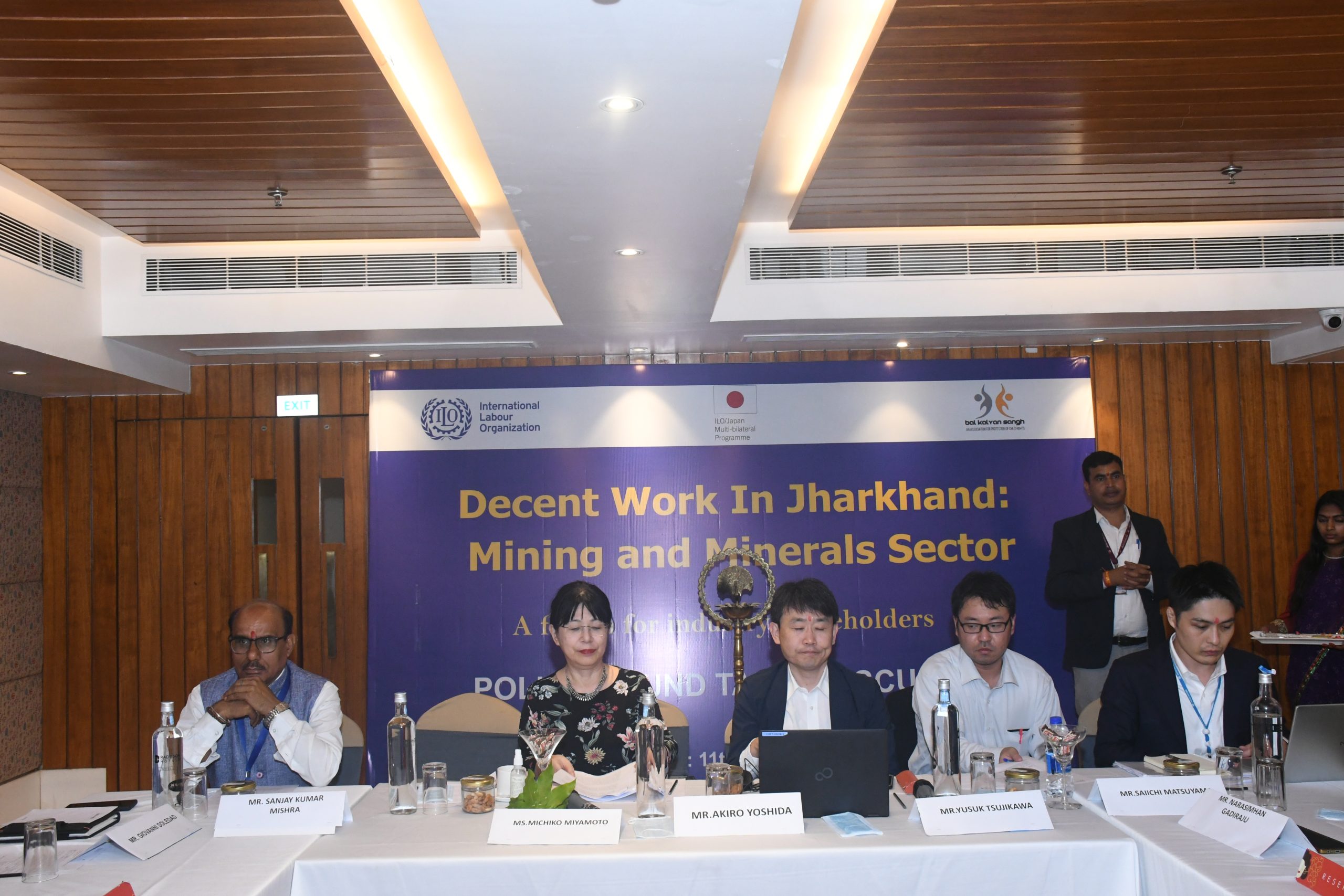
The International Labour Organization (ILO) and the Japan–Mukti Bilateral Programme, in partnership with Bal Kalyan Sangh (BKS), organized a Round Table Policy Discussion on “Decent Work in Jharkhand: Mining and Minerals Sector.” The event brought together industry stakeholders, international experts, development partners, and civil society representatives engaged in the mining and minerals sector to deliberate on labour rights, safety standards, and sustainable practices in Jharkhand’s mining industry.

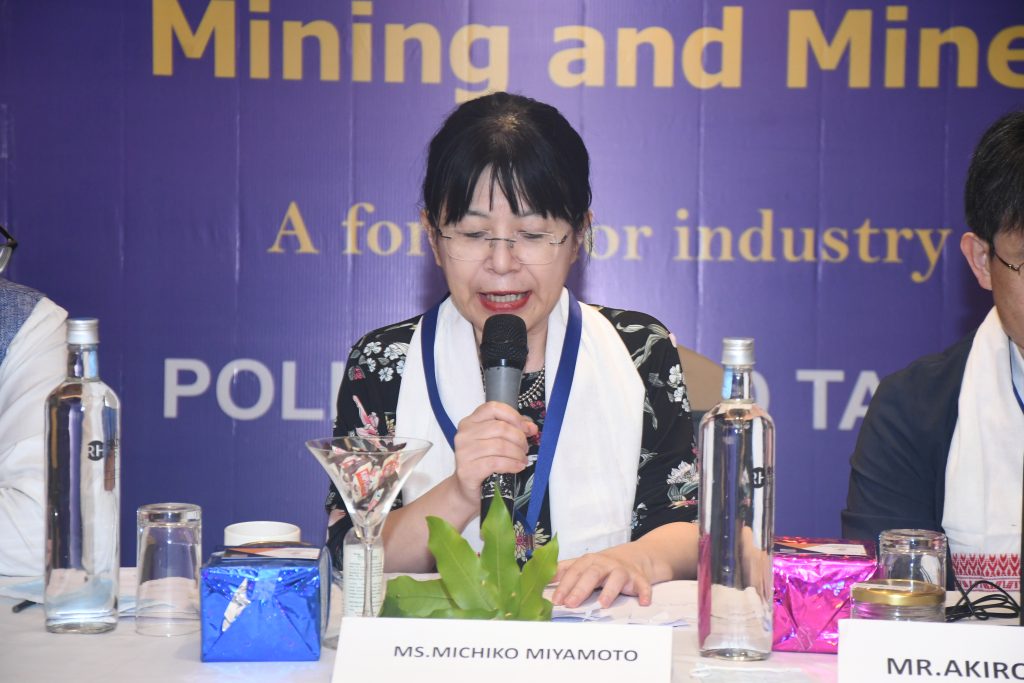
The discussion was chaired by representatives from the Government of Japan, including Mr. Akira Yoshida, Mr. Yusuke Sujikawa, and Mr. Matsuyama, along with Ms. Michiko Miyamoto, Director, International Labour Organization (ILO) India, Mr. Giovanni Soleidad, Technical Advisor, ILO, and Mr. Sanjay Kumar Mishra, Founder Secretary, Bal Kalyan Sangh.

In his welcome address, Mr. Sanjay Kumar Mishra emphasized the importance of collective action between government institutions, international organizations, civil society, and industry stakeholders to promote ethical labour practices and sustainable livelihoods in the mining sector. Ms. Michiko Miyamoto highlighted the need to strengthen labour standards, occupational safety, and social protection systems to ensure decent work for workers across the entire mining value chain.

Jharkhand holds nearly 40% of India’s total mineral reserves, making it one of the most resource-rich states in the country. Participants noted that the sector holds significant potential to generate employment and livelihoods if effectively formalized and regulated. The discussions covered the entire mining value chain, including mineral extraction, processing, transportation, and supply chain systems, with a strong focus on improving labour conditions and strengthening regulatory frameworks.

Stakeholders highlighted that mining remains one of the most hazardous sectors for workers, often characterized by unsafe working environments, informal employment, and limited social protection. Participants emphasized the urgent need to strengthen regulations and ensure their effective implementation so that workers’ labour rights and basic human rights are protected, enabling them to access safe working conditions and dignified livelihoods.

A significant portion of the discussion focused on mica mining, for which Jharkhand is globally recognized as a source of high-quality mica. However, due to regulatory gaps and weak policy implementation, mica mining remains largely unorganized in several regions. This has resulted in persistent challenges such as labour exploitation, unsafe working conditions, and the continued risk of child labour.

During the technical session, Dr. P. Thangam from Terre des Hommes Netherlands (TdH Netherlands) presented an overview of the current state of decent work in Jharkhand’s mining sector, highlighting key policy gaps and opportunities for strengthening implementation frameworks. The presentation also showcased best practices that can contribute to safer and more equitable working conditions for workers engaged in mining and mineral processing.

Providing a comparative perspective, Mr. Varun Sharma, Director of Programmes at Aravali Rajasthan, and Dr. Vijay Jain shared insights from Rajasthan’s mining sector, another important source of mica in India. Mr. Sharma noted that mica mining operations in Rajasthan are also largely informal, with many workers operating outside formal labour protections. He emphasized that addressing these challenges requires stronger policy attention, effective enforcement mechanisms, and collaborative interventions involving government, industry, and civil society.

Another key theme that emerged from the discussions was the need to promote ethical sourcing of critical minerals among companies, buyers, and consumers. Participants stressed that responsible supply chains, transparency in sourcing practices, and stronger accountability mechanisms are essential to ensure that minerals are produced without exploitation and under safe labour conditions.

The event witnessed active participation from local industries, business associations, policymakers, and development organizations, creating a platform for dialogue and collaboration among key stakeholders in the mining and minerals sector. The policy dialogue concluded with a shared commitment to strengthen partnerships and develop practical strategies that can advance decent work, labour protection, and ethical supply chains in Jharkhand’s mining sector.

The organizers highlighted that continued collaboration among stakeholders will be essential to transform Jharkhand’s mining industry into a model of sustainable development, responsible mining, and dignified employment opportunities for workers across the state.
Read more...

From Migration to Protection: Building a Safety Net for Families

Migration Resource Centre in Khunti

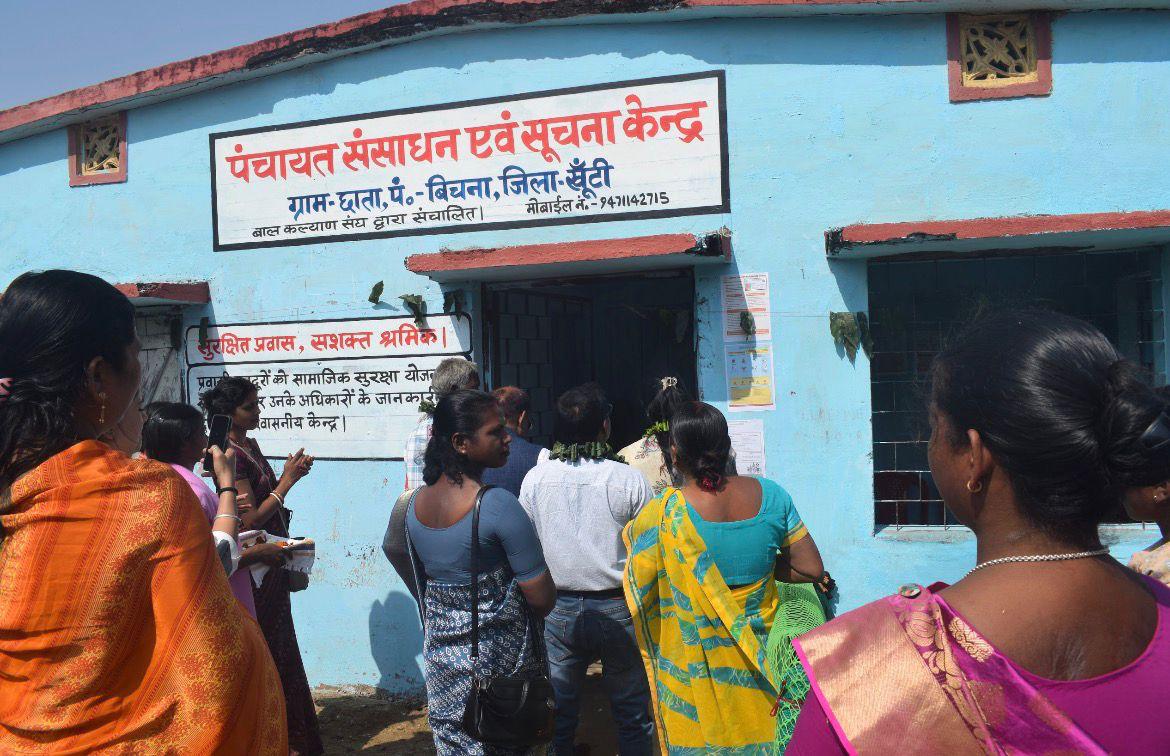
Migration is a common livelihood strategy for many families in Khunti district of Jharkhand. However, seasonal and distress migration often places migrant workers and their children in vulnerable situations. Families move across districts and sometimes across states in search of work, but in the process they lose access to social protection, education, and basic services. To address this gap, a Migration Resource Centre (MRC) is being established in Khunti to ensure protection, tracking, and access to welfare schemes for migrant families.

One of the major challenges is the absence of a proper tracking system for migrant families. When parents migrate for work, children often accompany them, leading to school dropouts and disruption in education. In many cases, this increases the risk of child labour and trafficking. There is also no systematic tracking of married  girls who migrate after marriage, making them vulnerable to exploitation and social exclusion. The invisibility of migrant families within governance systems further deepens their marginalization.

Migrant workers frequently lack essential documentation and social security coverage such as Labour Cards and E-Shram registration. Without these protections, they face unsafe working conditions, wage exploitation, and lack of access to government welfare schemes. There is limited coordination between source and destination districts for inter-district and intra-state migration, making it difficult to respond in cases of distress, accidents, or rights violations.

The aim of the Migration Resource Centre is to identify and register migrant families at the Panchayat level before migration and to create a reliable tracking mechanism for workers and their children. The Centre will facilitate linkage with social welfare schemes, ensure labour registration, and support access to entitlements. Special attention will be given to children to prevent school dropouts and to promote continuity of education through coordination with schools at destination areas. Awareness on safe migration practices, labour rights, and anti-trafficking measures will also be provided to communities.

The long-term vision of the initiative is for the Panchayat to take ownership of the Migration Resource Centre after the pilot phase. Once the model is strengthened and refined in Khunti, it can be replicated in other Panchayats within the district and expanded across Jharkhand and other migration-prone states. By building a locally owned system, the initiative seeks to ensure sustainability and institutional accountability.

The Migration Resource Centre represents a proactive step towards creating a protective environment for migrant workers and their families. By strengthening tracking systems, improving access to social protection, and safeguarding children’s education and well-being, the Centre aims to transform migration from a risky survival strategy into a safer and more dignified livelihood option.

Read more...

Delhi Declaration on Ending Violence Against Women and Children From Dialogue to Action Towards Viksit Bharat @2047

Delhi Declaration on Ending Violence Against Women and Children

From Dialogue to Action Towards Viksit Bharat @2047

The Delhi Declaration on Ending Violence Against Women and Children marks a significant national commitment to safeguarding the rights, dignity, and well-being of women and children in India. The Declaration was formally presented by the organisers to Smt. Savitri Thakur, Hon’ble Minister of State for Women and Child Development, Government of India, during the National Symposium “संवाद से संकल्प तक – For Every Woman and Child”, held on 12–13 January 2026 at NDMC, New Delhi.

A Collective National Vision

The Declaration emerged from two days of intensive national dialogue that brought together representatives from the Government of India, civil society organisations, community leaders, youth and women champions, survivor collectives, researchers, and development practitioners. Anchored in the Constitution of India, aligned with national child- and women-centric legislation, and reflective of India’s commitments under the Sustainable Development Goals, the Declaration is firmly rooted in the vision of Viksit Bharat @2047.

It recognises that the safety, education, dignity, protection, and holistic development of every woman and every child are fundamental to India’s inclusive, equitable, and sustainable growth.

Priority Areas of Commitment

Ending Child, Early and Forced Marriage

Recognising child marriage as a grave violation of child rights and a barrier to education, health, and gender equality, the Declaration calls for strengthened prevention through community mobilisation, awareness, counselling, and social protection support. It emphasises improved access to education, higher education, safe transport, scholarships, vocational training, and livelihood opportunities for girls.

Elimination of Child Labour

To break cycles of intergenerational poverty, the Declaration stresses strong prevention, rescue, rehabilitation, and reintegration mechanisms. It calls for dedicated child labour monitoring mechanisms in high-risk districts and improved convergence between labour, education, women and child development, and social welfare departments, alongside family strengthening and social security support.

Prevention of Trafficking of Women and Children

Addressing trafficking for labour, sexual exploitation, forced marriage, and other forms of abuse, the Declaration prioritises prevention in migration-prone areas, awareness on safe migration, survivor-centred rehabilitation, and long-term reintegration. It also highlights the need for strengthened inter-state coordination, effective law enforcement responses, digital safety measures, and strict enforcement of anti-trafficking laws.

Strengthening Families by Empowering Women

The Declaration recognises women’s empowerment as central to building resilient families and ensuring child well-being. It promotes vulnerability mapping to identify at-risk women, children, and families and guide targeted support under flagship child protection and social security programmes. The approach of “One Village – One Unified Plan” is highlighted to strengthen village-level planning through collaboration among women’s collectives, Panchayats, and local administration.

Building Protective and Responsive Systems

The Declaration emphasises system strengthening and community-led prevention through:

  • Mandatory pre-service and in-service training for frontline workers such as teachers, Anganwadi Workers, and ASHAs

  • Capacity building of Panchayati Raj Institutions, Urban Local Bodies, School Management Committees, and Self-Help Groups on child and women protection laws and schemes

  • Integration of child protection priorities into Gram Panchayat Development Plans with strategic use of local resources

  • Strengthening adolescent health, life skills, and school retention through convergence with national health and education programmes

  • Professionalisation and strengthening of child protection services and helplines

Focus on High-Risk and Marginalised Communities

The Declaration calls for prioritised action in hotspot districts, blocks, and marginalised communities. It underscores the importance of addressing structural drivers of child marriage, trafficking, and child labour through integrated interventions in education, health, livelihoods, and life skills.

From Declaration to Action

The formal presentation of the Delhi Declaration signifies a shared commitment between civil society and the Government of India to move from dialogue to action. It calls for adequate financial and human resources, strong convergence across sectors, clear accountability mechanisms, and robust monitoring frameworks to ensure effective implementation in alignment with the vision of Viksit Bharat @2047.

A Shared Commitment for India’s Future

The Delhi Declaration represents a collective resolve to work together across government, civil society, academia, media, private sector, and communities. Together, it envisions an India where every woman and every child is safe, protected, educated, empowered, and enabled to realise their full potential.

Read more...

Sakhi Samvad with Smt Vijaya Rahatkar, Hon’ble Chairperson, NCW, New Delhi

Rising Trafficking of Girls Through Forced Marriages
Bal Kalyan Sangh Event Chaired by NCW Chairperson Calls for Strong Action

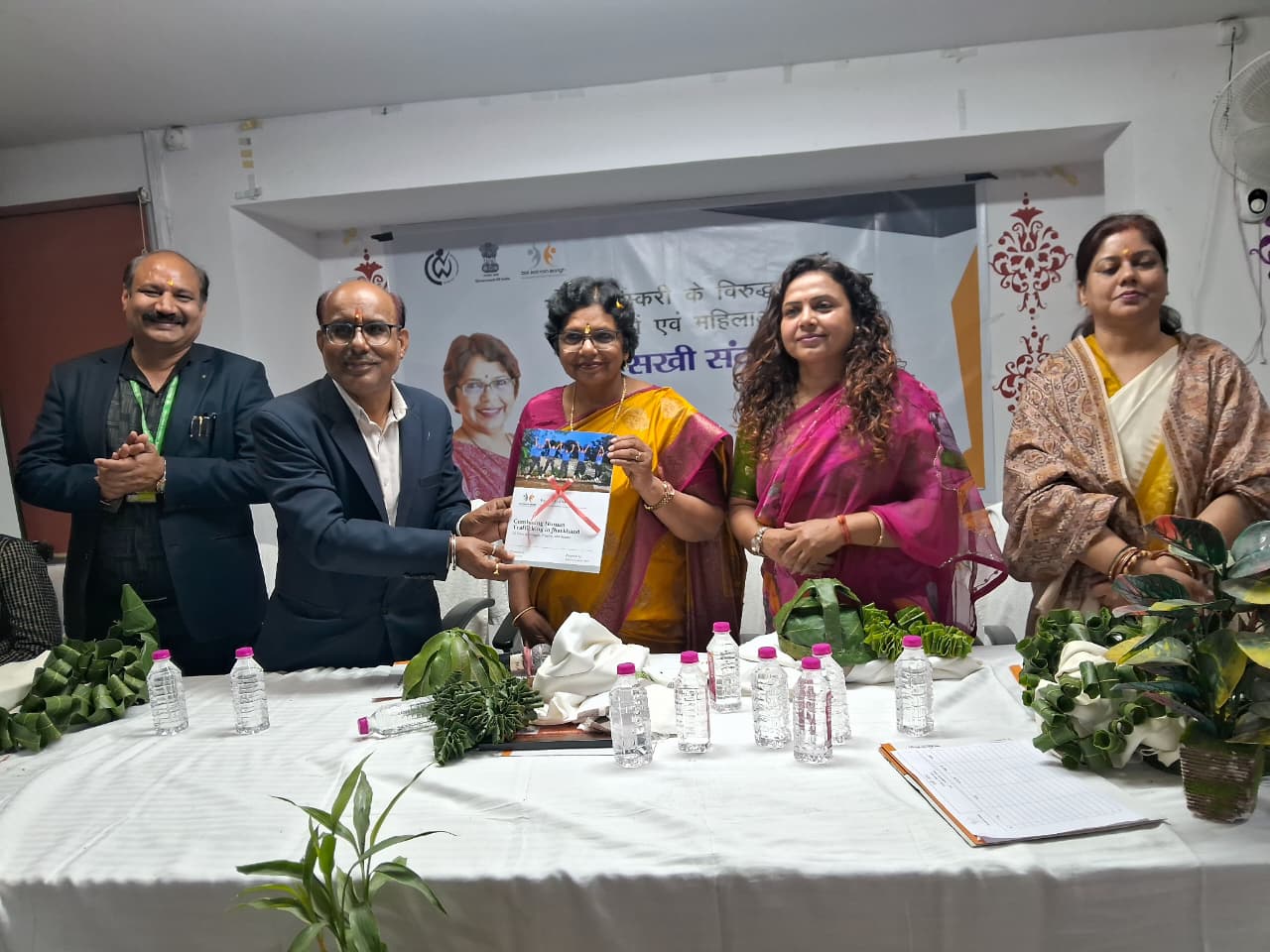
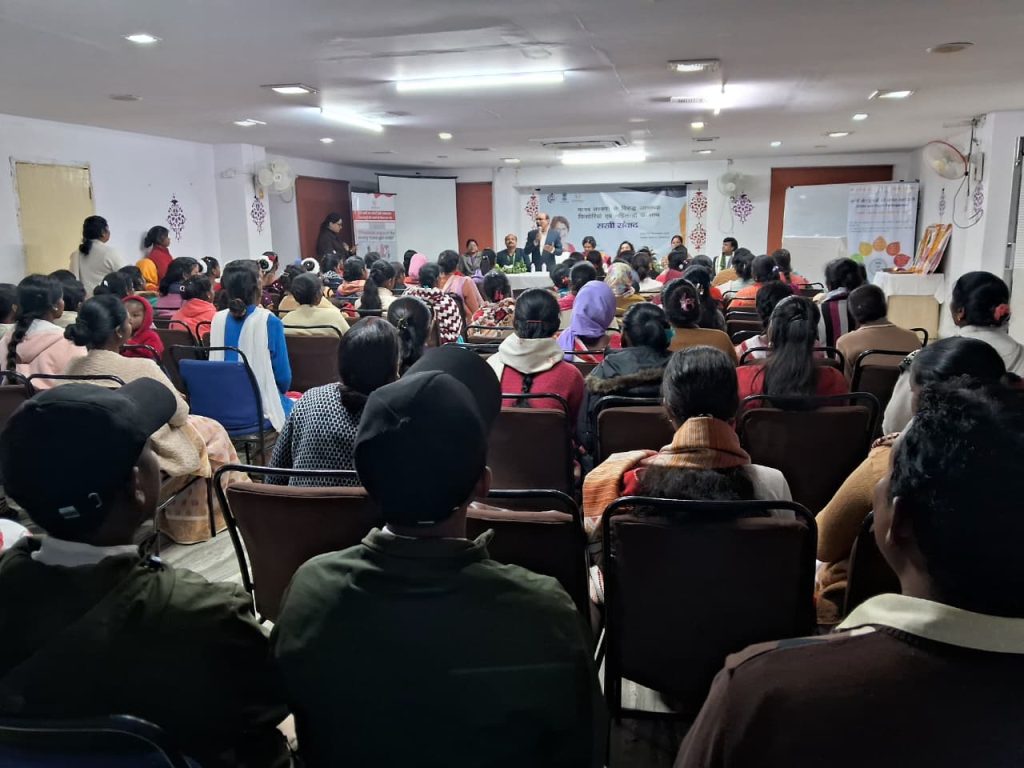
Bal Kalyan Sangh, Jharkhand, organized a programme titled “Sakhi Samvad” (Women’s Dialogue) on Monday at Ranchi, with the objective of creating awareness on human trafficking, child marriage, and women’s rights.

The programme was presided over by Ms. Vijaya Kishore Rahatkar, Chairperson of the National Commission for Women. Addressing the gathering, Ms. Rahatkar highlighted that due to lack of development in rural and remote areas, women and adolescent girls are at a significantly higher risk of trafficking. She expressed serious concern over the increasing trend of young girls being trafficked under the pretext of marriage, calling it a grave violation of human rights.

She urged women to become aware of their rights and to raise their collective voices against social evils. Ms. Rahatkar further stated that innocent girls are often lured with false promises of better education, employment opportunities, or a secure future, which ultimately results in exploitation and trafficking.

Mr. Sanjay Mishra, Founder of Bal Kalyan Sangh, stated that the organization has been working for over three decades in the areas of child protection, prevention of human trafficking, and women’s empowerment. He emphasized that Bal Kalyan Sangh has been making consistent efforts at the grassroots level to address trafficking and related vulnerabilities through community engagement, awareness, and system strengthening.

The programme witnessed participation from women and adolescent girls from various rural and remote areas of Jharkhand. Detailed discussions were held on issues such as human trafficking, child marriage, domestic violence, witch-hunting, girls’ education, and the challenges faced by girls from single-parent families.

Participants shared that even today, women in many villages face persecution on the pretext of witchcraft, while several girls are forced to drop out of school after completing the eighth grade due to poverty, social norms, and lack of support. A large number of women from remote areas attended the programme and actively participated in the dialogue, sharing their lived experiences and concerns.

The programme concluded with a collective resolve to strengthen community awareness, protect girls from trafficking and early marriage, and ensure access to education, safety, and dignity for every child and woman.

Read more...

Strengthening Community-Based Child Protection Mechanisms

Bal Kalyan Sangh (BKS), in collaboration with the district administration and Mission Vatsalya, has undertaken a major initiative to strengthen grassroots child protection systems

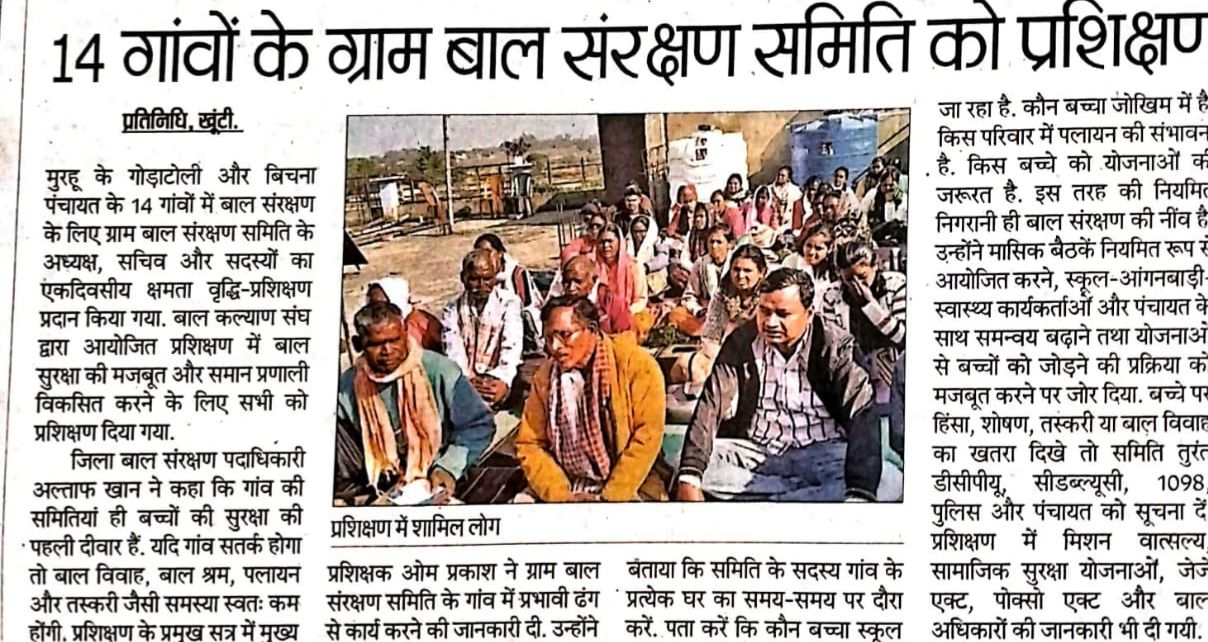
across East Singhbhum. Through a series of structured trainings, more than 300 committee members from 35 Panchayats across Patamda and Ghatshila blocks have been trained to build strong, community-led child protection mechanisms.

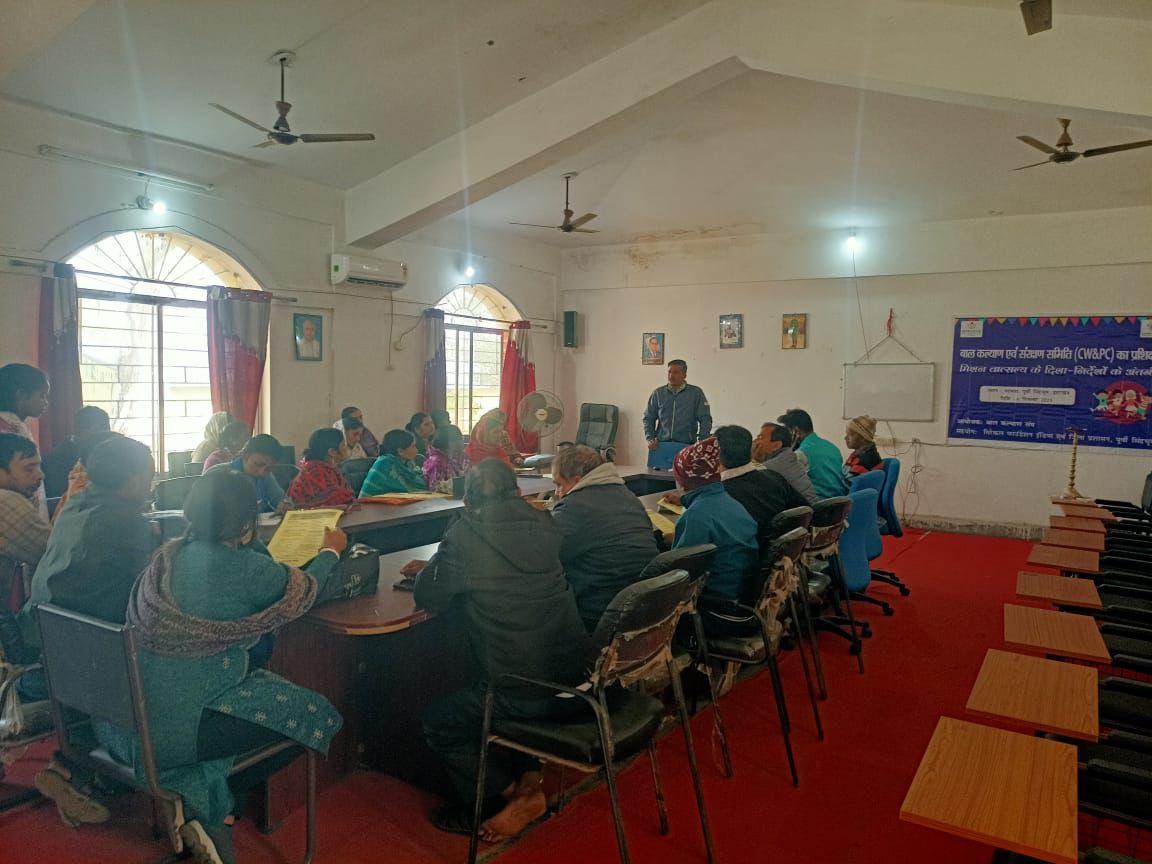
These trainings focused on enhancing the capacities of Village Child Protection Committees (VCPCs) and Child Welfare & Protection Committees (CW&PCs), which serve as the first and most crucial layer of protection for children at the village level.

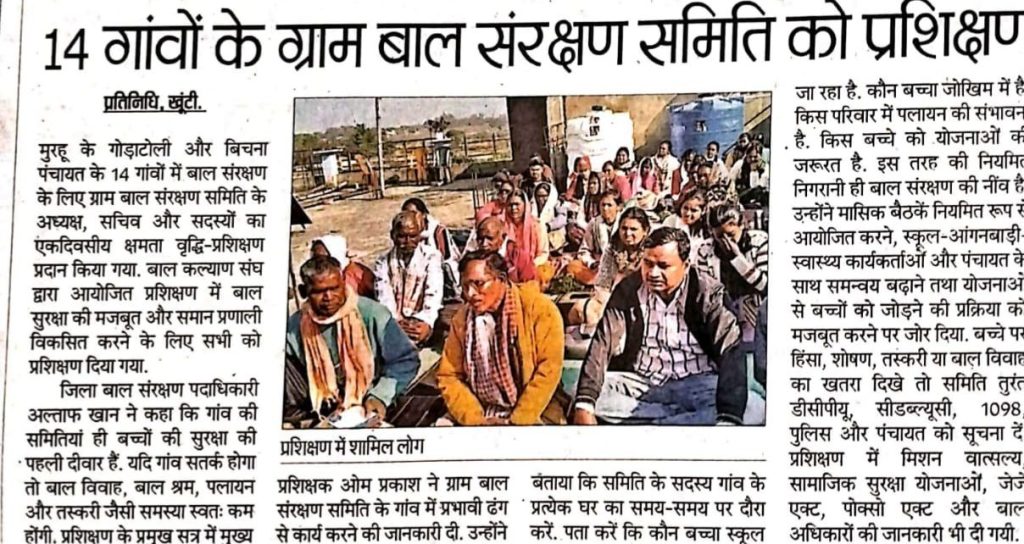
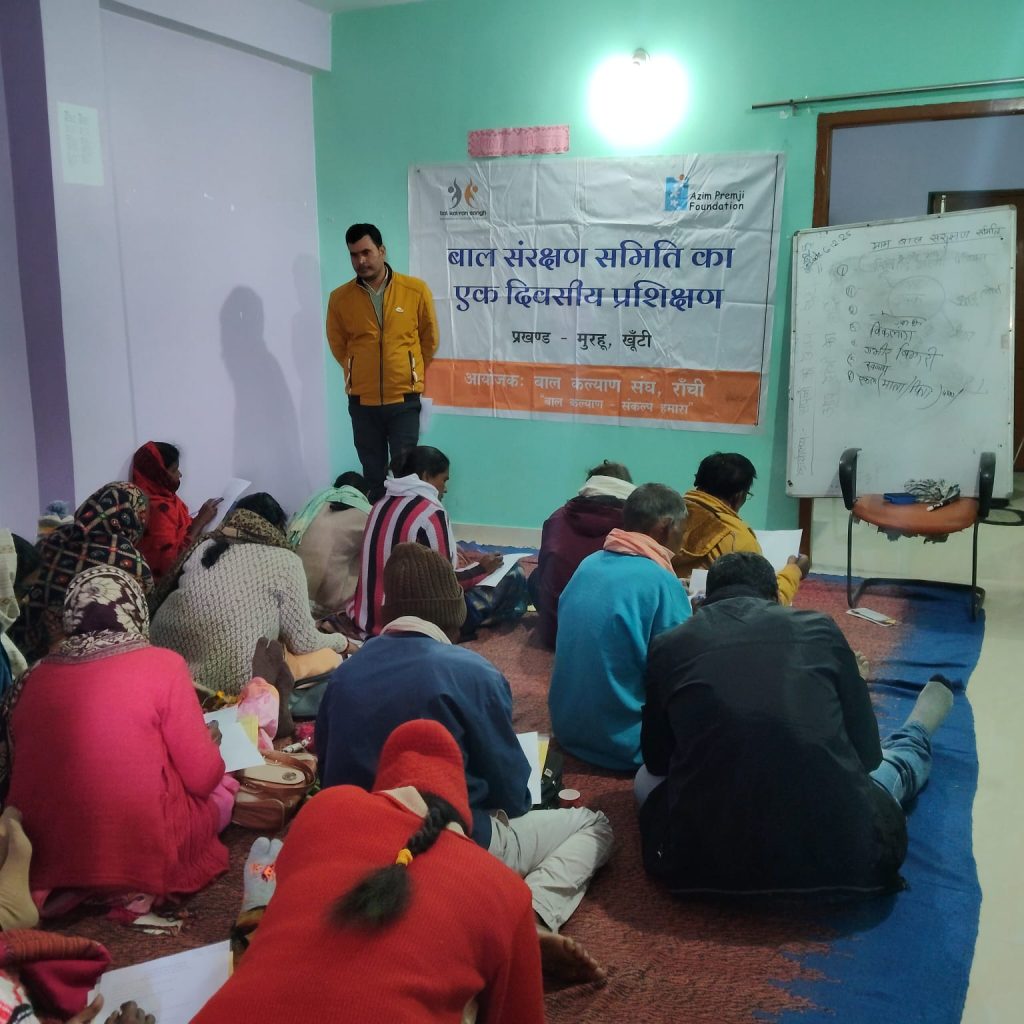
In Murhu region, committee members from 14 villages also received specialized training on identifying vulnerable children, understanding risks within families, and responding effectively to issues such as school dropout, early marriage, unsafe migration, child labour, and trafficking. Participants were oriented on conducting regular committee meetings, maintaining strong coordination with schools, Anganwadi centers, health workers, and Panchayati Raj representatives, and ensuring timely reporting of concerns to Childline 1098 or police authorities.

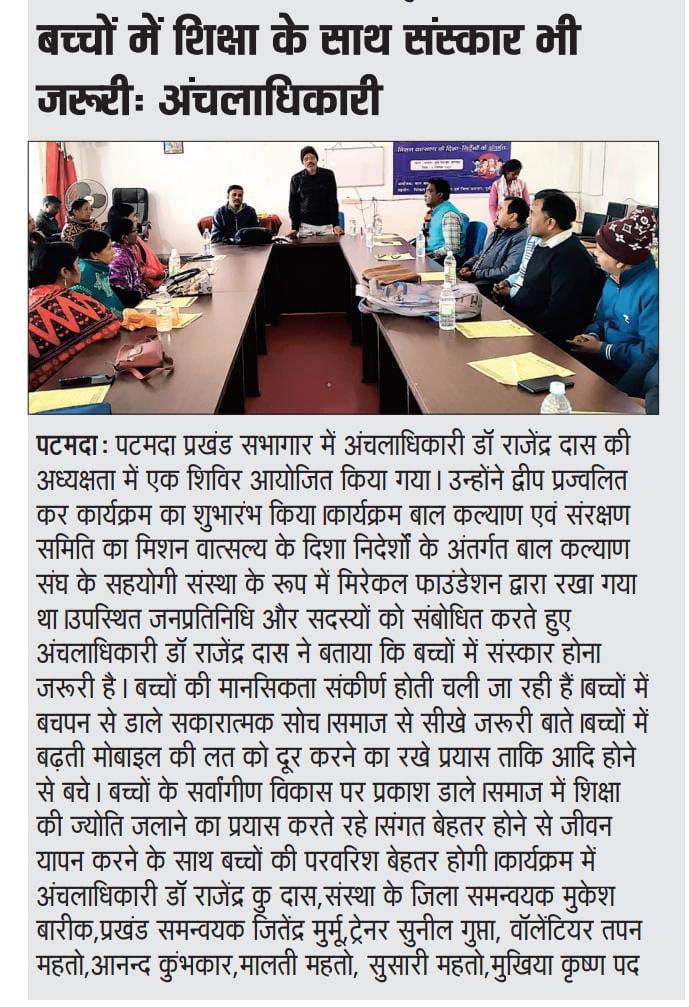
In Patamda Block, a separate session chaired by the Circle Officer highlighted the importance of combining education with value-based development to promote the holistic growth of children. Discussions included addressing challenges like mobile addiction, reduced social interaction, and increasing vulnerability among adolescents.

Through these combined efforts, BKS emphasized that community vigilance and participation are the pillars of effective child protection. Empowered committees are now better equipped to monitor risks, support families in distress, link children to government welfare schemes, and prevent harmful practices.

Bal Kalyan Sangh remains committed to working with Panchayats, frontline workers, and civil society partners to create safe, nurturing, and resilient communities where every child’s rights are protected and upheld.

Read more...

Two-Day Residential Training for Youth Leaders from Patamda, Boram & Ghatshila Blocks, East Singhbhum

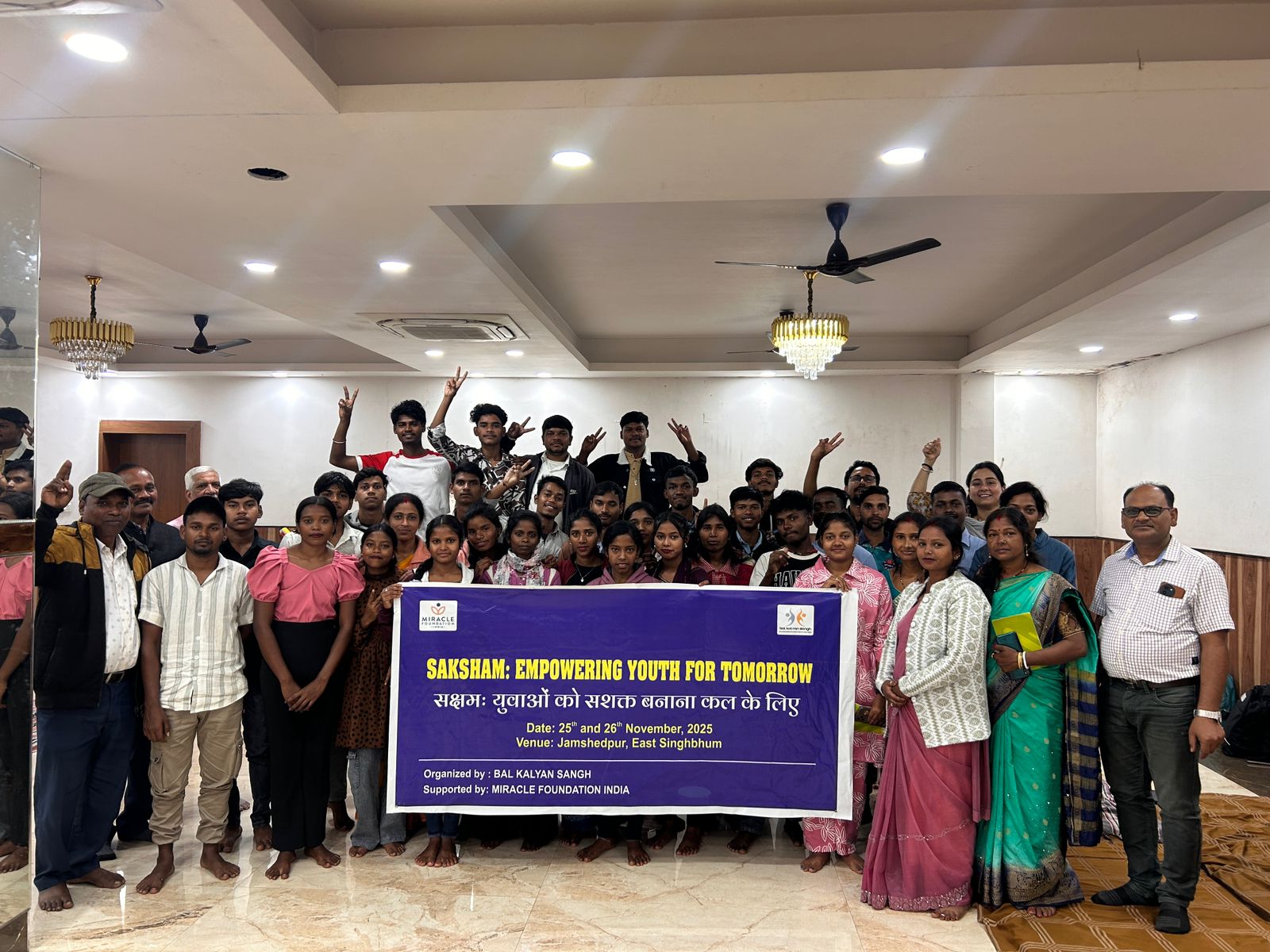
To strengthen community-based child protection mechanisms, a two-day residential training was organised for selected youth leaders from Patamda, Boram, and Ghatshila blocks of East Singhbhum district.
The training aimed to nurture a cadre of Local Leaders capable of supporting vulnerable families and helping reunite children with their families, while addressing root causes of risk at the community level. (more…)
Read more...